
The Fabric That the World Can't Stop Ordering
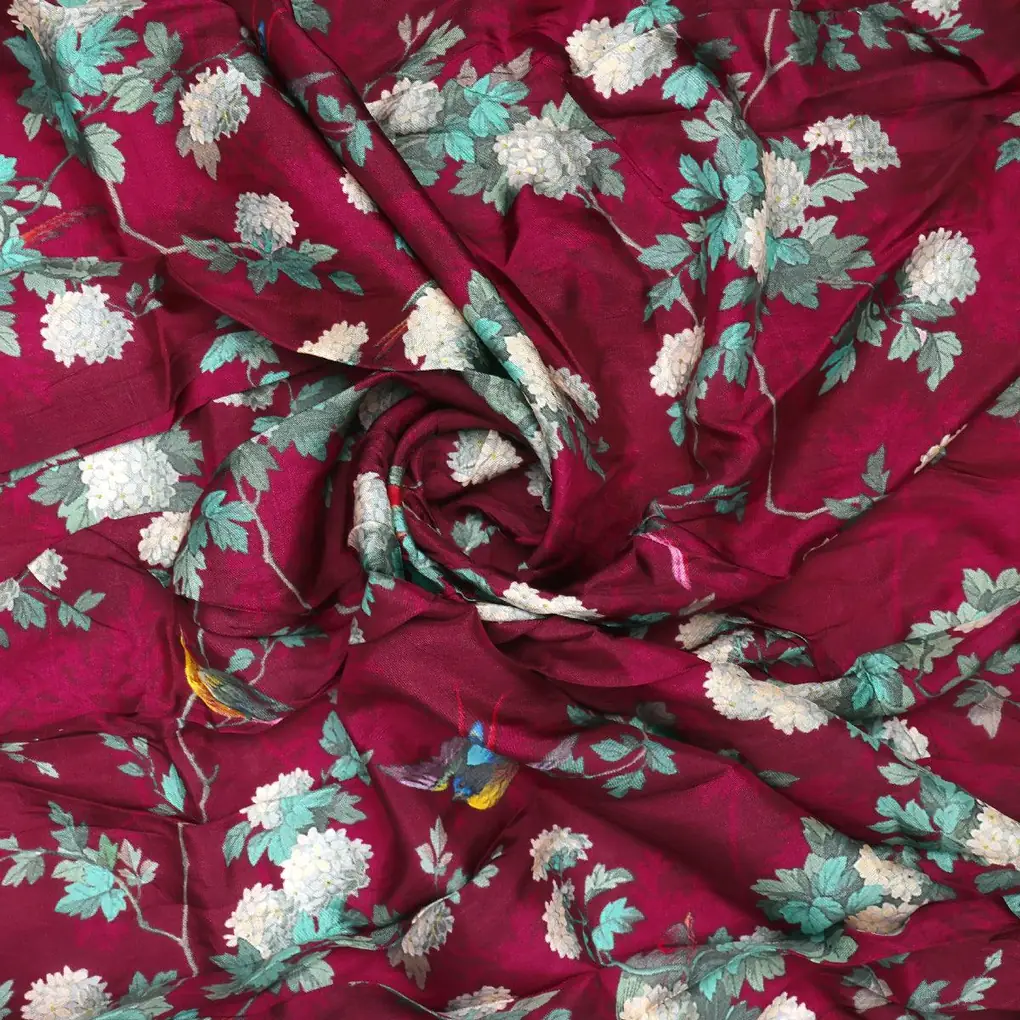
A women’s fashion brand based in London needs 4,000 meters of floral-printed fabric — and they need it in three weeks. Their local suppliers say it’s impossible. But a quick search online connects them with a team of Viscose Digital Printing Fabric exporters in Surat, India. Two weeks later, the fabric is on its way — with sharper prints, softer feel, and a better price than anything they had seen before.
This is not a rare story. It happens every single day across the globe. Buyers from France, the USA, the UAE, and Southeast Asia are sourcing viscose digital printed fabrics at a growing pace — and there are very good reasons why.
In this blog, we’ll walk you through exactly what viscose digital printed fabric is, why international buyers love it, what to look for in a supplier, and how to avoid costly sourcing mistakes. Whether you’re new to fabric sourcing or a seasoned buyer, this guide is written simply and clearly — just for you.
What Is Viscose Digital Printed Fabric?
Viscose Fabric — In Simple Words
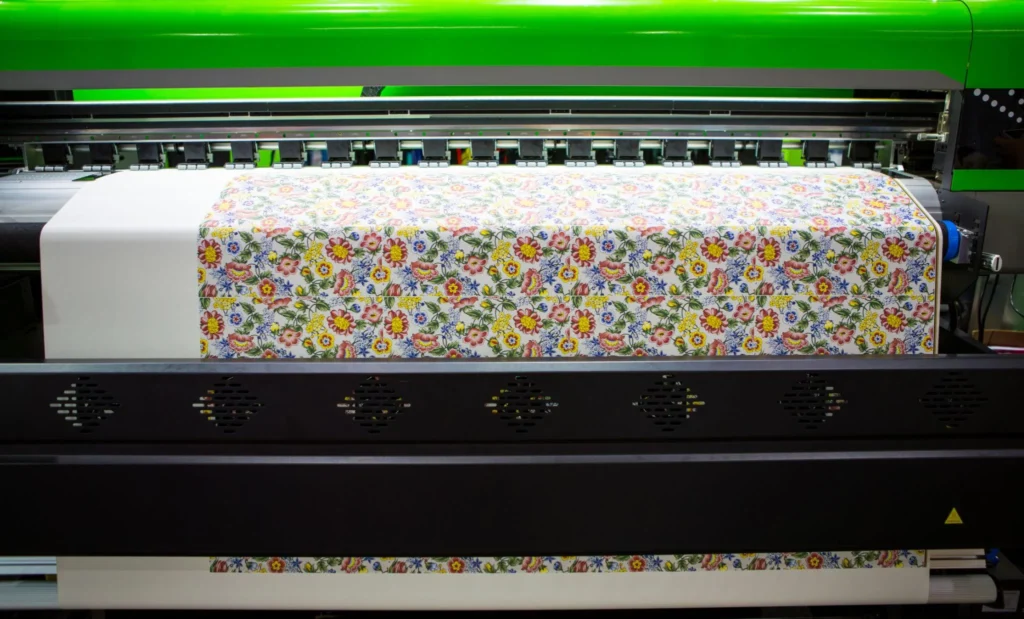
Digital Printing — What Makes It Special
Quick Comparison: Digital vs Traditional Printing
| Feature | Digital Print | Screen Print | Block Print |
|---|---|---|---|
| Print Detail | Very High | Medium | Low |
| Min. Order Qty | Low (even 1m) | High | Medium |
| Cost for Small Batches | Low | High | Medium |
| Design Turnaround | Fast (days) | Slow (weeks) | Slow |
| Eco-Friendliness | Better (less water) | Less eco | Moderate |
The World Is Buying More — Here's the Data
The global digital textile printing market was valued at around USD 2.4 billion in 2023 and is projected to grow at a strong CAGR of over 12% through 2030 (source: Grand View Research). This isn’t a passing trend — it’s a major shift in how fashion and home décor brands around the world work.
Who is driving this demand? Fashion brands in Europe and North America need unique seasonal designs fast. Retailers in the Middle East want luxurious, intricately patterned fabrics for ethnic and occasion wear. Home décor companies in Southeast Asia source digitally printed fabrics for curtains, cushions, and upholstery. All of them are turning to specialized suppliers and Viscose Digital Printing Fabric exporters to fill their orders.
7 Big Reasons International Buyers Keep Coming Back
he Print Quality Is Simply Unmatched
The Fabric Feels Luxurious
Easy Customization — Even in Small Quantities
More Eco-Friendly Than Traditional Methods
Cost-Effective for Testing and Sampling
Fast Turnaround — Perfect for Seasonal Trends
Endless Design Variety
What Makes a Reliable Viscose Digital Printing Fabric Exporter?
Not all exporters are the same. A great product can still go wrong if the supplier is unreliable. When choosing Viscose Digital Printing Fabric exporters, look beyond just the price. Here’s what the best ones have in common:
- Consistent batch quality — the fabric you receive matches the sample you approved, every time.
- Industry certifications — look for OEKO-TEX Standard 100 (means the fabric is tested for harmful substances), ISO certification (quality management), or GOTS (for organic-sourced materials).
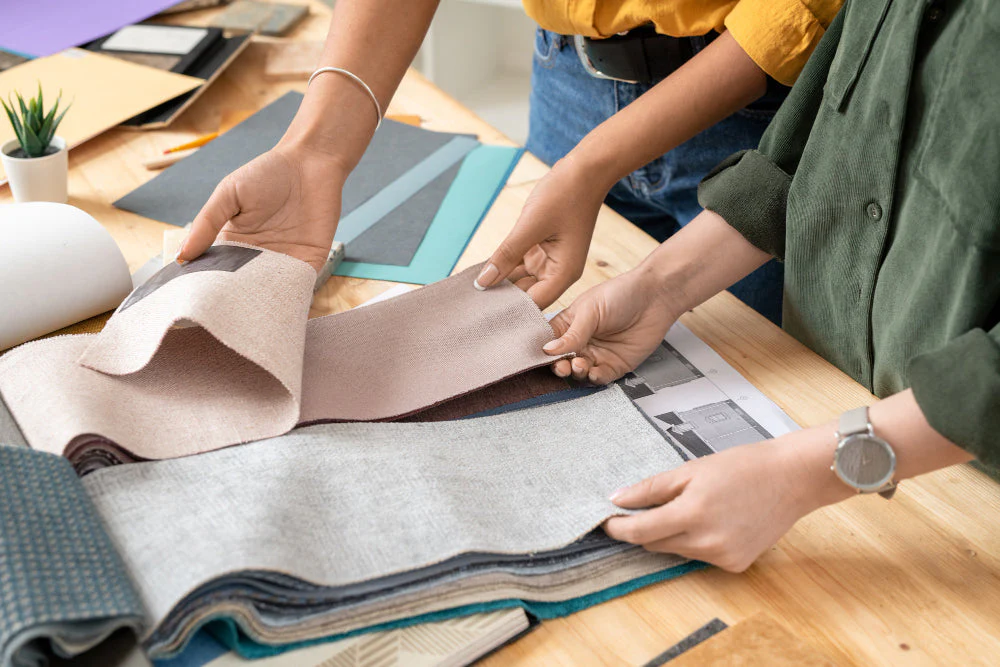
- Proper sampling process — reliable exporters always offer samples before bulk production.
- Transparent pricing — no hidden charges for packaging, labeling, or documentation.
- On-time delivery track record — ask for references or check reviews on trade platforms.
- Clear communication — they respond quickly, understand your requirements, and keep you updated.
- Export experience — they know customs documentation, Incoterms, and international shipping regulations.
Common Mistakes Buyers Make (And How to Avoid Them)
Experience is the best teacher — but learning from others’ mistakes is even better. Here are the most common errors international buyers make when sourcing viscose digital printed fabrics:
- Choosing price over quality — the cheapest quote often means inferior fabric, faded prints, or poor color consistency. Always request a sample first.
- Skipping compliance checks — many markets (especially the EU and USA) have strict regulations on fabric safety and chemical standards. Make sure your supplier is compliant.
- Ignoring lead times — digital printing is fast, but shipping internationally takes time. Factor in production + transit time when planning your collection calendar.
- Not testing color fastness — ask for a color fastness rating before ordering. You don’t want prints that fade after two washes.
- Forgetting about shrinkage — viscose can shrink if not pre-treated properly. A good exporter will disclose this upfront.
How to Find and Evaluate the Right Exporter
Partnering with experienced Viscose Digital Printing Fabric exporters means doing your homework before the first order. Here’s a practical checklist to help you evaluate any supplier:
Where to Search:
- Trade portals: Alibaba, IndiaMART, Global Sources, Fibre2Fashion
- Trade fairs: Heimtextil (Germany), Magic Las Vegas (USA), Texworld (Paris)
- Industry directories and textile associations
Questions to Ask Before Placing an Order:
- Can you send us fabric samples with your latest print quality?
- What certifications do you hold (OEKO-TEX, ISO)?
- What is your minimum order quantity and lead time?
- Do you have experience exporting to our country?
- Can you provide references from existing international clients?
- How do you handle quality issues or wrong shipments?
Why India Is the World's Preferred Source
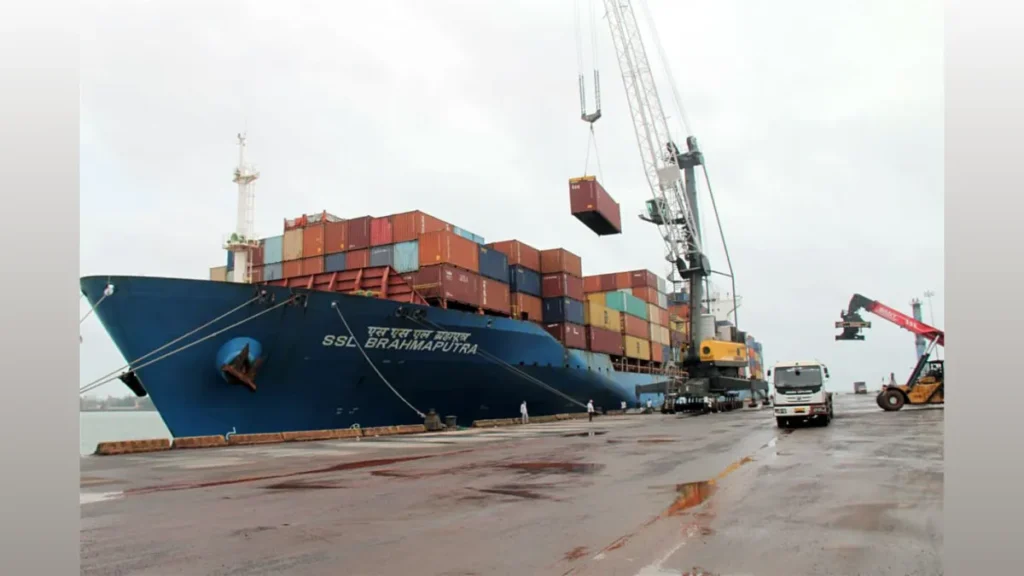
When international buyers look for viscose digital printed fabrics, India consistently comes out on top — and for very solid reasons.
- Textile Heritage + Modern Technology — Cities like Surat, Jaipur, and Mumbai combine centuries of weaving and printing knowledge with state-of-the-art digital printing technology.
- Skilled Workforce — India has one of the world’s largest pools of textile artisans and designers.
- Competitive Pricing — Due to lower production costs, Indian exporters can offer high quality at prices that buyers in Europe or the USA simply cannot find locally.
- Strong Export Infrastructure — India has a well-developed system for textile exports — from packaging and documentation to freight forwarding.
- Government Support — Indian textile exporters benefit from government schemes that support export growth, keeping prices competitive.
Real Buyer Experience: What Success Looks Like
A UK-based women’s wear brand had been sourcing printed fabrics locally for years. Prices were high, design options were limited, and lead times were frustrating. They decided to try sourcing from a Surat-based exporter after seeing their portfolio on a trade platform.
After requesting samples and reviewing certifications, they placed their first trial order of 500 meters across 5 designs. The results:
- 22% reduction in fabric cost per meter
- Faster delivery than their local supplier
- Better print quality with richer, more consistent colors
- Dedicated account manager who handled all export paperwork
They’ve been repeat buyers ever since — and have since grown their order volume to 5,000 meters per season. This is the kind of outcome that becomes possible when buyers do their research and choose the right partner.
Final Thoughts: A Fabric Worth Exploring
Viscose digital printed fabrics are not just a trend — they are the new standard for smart global sourcing. Soft feel, stunning prints, fast turnaround, and flexible order sizes make them the obvious choice for international buyers who value both quality and speed.
But the right fabric is only half the equation. The right partner is the other half.
Ethiraj Fashion brings both together.From premium viscose digital printed fabrics to smooth, reliable export processes, we make sure every order meets your exact standards, on time, every time.