
Introduction
Digital printing has revolutionized the fabric industry, offering a modern, efficient way to print intricate designs directly onto fabrics. Unlike traditional methods like screen printing, which requires multiple steps and setup times, digital printing uses digital files and specialized printers to apply designs. This process is faster, more precise, and allows for unlimited colors and complex patterns with minimal setup.
As technology has improved, digital fabric printing has become a game-changer for designers and manufacturers, providing them with more flexibility and creative freedom. The process is also more eco-friendly compared to traditional printing methods, as it produces less waste and uses fewer chemicals.
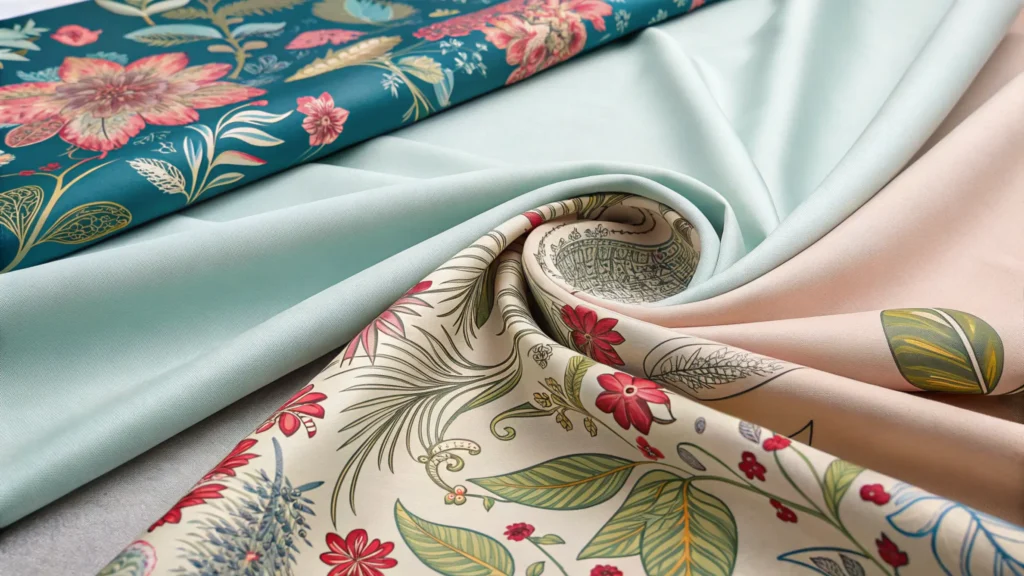
Importance of Choosing the Right Fabric for Digital Printing in 2026
In 2026, choosing the right fabric for digital printing is more crucial than ever. With rapid advancements in digital printing technology, the ability to print on a variety of fabrics has expanded. However, each fabric type has different qualities that can affect how well it takes the print, how vibrant the colors appear, and how durable the final product is.
For example, some fabrics like cotton absorb ink better, producing more vibrant prints, while others like polyester are more durable and resistant to fading. The texture, weight, and composition of the fabric can influence the final look and feel of the print. As digital printing fabrics become more advanced, selecting the ideal fabric for the intended design and purpose will be essential to achieving the best results in 2026.
Incorporating the right fabric into your design ensures that the digital print looks its best, lasts longer, and meets the specific needs of the customer. Whether you’re designing fashion, home textiles, or even outdoor fabrics, understanding the unique characteristics of each fabric will help you make informed decisions and stay ahead of the trends.
What Makes Digital Printing Fabrics Stand Out in 2026?
Digital printing offers a wide range of benefits to fabric manufacturers, making it an increasingly popular choice in the textile industry. One of the primary advantages is cost-efficiency. Traditional printing methods require extensive setup, such as screen preparation or engraving, which can be time-consuming and costly. In contrast, digital printing uses a digital file to print directly onto fabric, reducing setup costs and time. This allows manufacturers to print small batches economically, which is perfect for custom orders or limited edition collections.
Another benefit is design flexibility. With digital printing, fabric manufacturers can print complex and detailed designs without the constraints of traditional methods. This technology allows for unlimited colors, fine details, and gradients, all of which would be difficult or impossible to achieve with screen printing. It enables designers to create unique patterns and prints that can be easily updated or changed without having to invest in new screens or tools.
Additionally, digital printing provides greater precision. The ink is applied with high accuracy, ensuring sharp lines and vibrant colors, which translates to a higher-quality finished product. The process also eliminates the need for pre-treatment or post-treatment steps, which are common in traditional printing methods. This means less waste and fewer chemicals used in the production process, leading to more sustainable and eco-friendly manufacturing.
Discuss the Latest Advancements in Digital Fabric Printing Technologies
In recent years, digital fabric printing technologies have evolved significantly, making them faster, more versatile, and more sustainable. One of the most notable advancements is the development of direct-to-fabric printing (DTF). Unlike older methods that print on paper and then transfer designs onto fabric, DTF allows printers to apply designs directly to fabrics without any intermediaries. This results in higher precision and eliminates the need for paper transfers, which can be wasteful.
Another exciting development is the use of pigment inks in digital printing. Pigment inks offer better color fastness and durability, especially on natural fabrics like cotton. This innovation has made digital printing an even more viable option for long-lasting products, such as fashion items and home textiles.
Moreover, the latest printer technology now includes wider format printers, which allow manufacturers to print on larger pieces of fabric without sacrificing quality. These printers are equipped with advanced features, such as higher resolution capabilities and faster printing speeds, which boost efficiency while maintaining the integrity of the print.
Another key advancement is the rise of eco-friendly inks and processes. Many modern digital fabric printers now use water-based inks, which are less harmful to the environment compared to solvent-based inks. These water-based inks reduce the need for harsh chemicals and help manufacturers meet increasingly stringent sustainability standards in the industry.
With these technological advancements, the world of digital printing fabrics continues to expand, offering manufacturers more options, greater efficiency, and environmentally friendly solutions.
Top Digital Printing Fabrics for 2026 Collections
Cotton has been a popular choice in the textile industry for centuries, and it continues to be a top contender for digital printing. The natural fibers of cotton make it an ideal material for printing because it offers excellent ink absorption, allowing vibrant and detailed designs to appear crisp and clear. Additionally, cotton is a breathable, comfortable fabric, which adds to its appeal for both fashion and home textiles. As digital printing technology advances, cotton’s natural properties remain a key reason for its dominance in the market, especially for designs requiring high-quality and long-lasting prints.
Characteristics That Make Cotton Ideal for Vibrant Prints
Cotton’s high absorbency is one of the key characteristics that make it perfect for digital printing. This allows the ink to fully penetrate the fabric, ensuring rich and vibrant colors. Cotton also has a smooth, even texture that provides a flawless surface for intricate and detailed designs. It retains its softness even after printing, making it a popular choice for products that need both comfort and style, such as t-shirts, bedding, and home décor items. The fabric’s natural feel and ability to hold dye also mean that prints will not fade quickly, making it a sustainable choice for long-term use.
Recommended Cotton Fabric Types for 2026 Digital Prints
- Combed Cotton: A finer, smoother cotton fabric that is ideal for detailed designs, as it provides an even surface for printing.
- Organic Cotton: Gaining popularity for eco-conscious consumers, organic cotton offers the same great print quality as regular cotton, with the added benefit of being sustainably produced.
- Cotton Twill: Known for its durability, cotton twill is a great choice for digital prints that require a heavier fabric with more structure, such as jackets or upholstery.
Choosing the Right Fabric for Your Digital Printing Projects
Selecting the right fabric is crucial for achieving high-quality results in digital fabric printing. Here are some expert tips to help you choose the best fabric for your printing project:
- Understand the Printing Process: Different fabrics respond to various printing techniques in different ways. For example, sublimation printing works best on polyester fabrics because the ink bonds directly with the fibers when heated. On the other hand, direct-to-garment (DTG) printing works well on cotton fabrics, as the natural fibers absorb the ink beautifully, giving vibrant results.
- Consider the Fabric’s Absorbency: Fabrics like cotton and viscose are highly absorbent, making them perfect for prints that need rich, deep colors. Synthetic fabrics like polyester, which are less absorbent, may require different inks or processes, but they still offer excellent durability and color retention.
- Check the Fabric’s Weight: The weight of the fabric plays a significant role in the final print quality. Heavier fabrics like twill cotton or polyester blends can support more complex, layered designs without losing print definition. Lighter fabrics, like silk or chiffon, may be more delicate and require more care during the printing process to avoid distortion.
- Fabric Texture and Finish: The texture of the fabric can influence how the print will appear. Smooth fabrics, such as satin or polyester, tend to have sharper, more vibrant prints. Rougher textures like denim or wool may absorb the ink in a way that softens or slightly diffuses the print, which could be desirable for certain designs but may not be ideal for high-detail graphics.
- Know the Fabric’s Compatibility with Inks: Not all fabrics are compatible with every type of ink. For instance, water-based inks work well with cotton and viscose, but solvent-based inks may be required for synthetic fabrics like polyester. It’s essential to ensure that the fabric you choose is compatible with the type of ink you plan to use to avoid issues with color fidelity or durability.
How the Fabric Choice Influences the Outcome of Digital Prints
- Color Accuracy: Fabrics with high absorbency, such as cotton or viscose, can absorb more ink, leading to richer, more accurate colors. On the other hand, fabrics like polyester may require different techniques to achieve the same level of vibrancy, as the ink sits on top of the fabric rather than being absorbed.
- Print Detail: The smoother the fabric, the more precise the print will be. Fabrics with a finer texture, like satin or combed cotton, allow for crisp and detailed designs. Rougher fabrics or those with a more textured surface may cause the ink to bleed or distort, which can soften the design but could also add a unique texture to the print.
- Print Durability: The durability of the print depends largely on the fabric’s material. Polyester fabrics are known for their longevity and resistance to fading, making them ideal for prints that need to last. Cotton prints, while vibrant, may fade over time unless properly treated. The fabric’s ability to hold the ink affects how well the print holds up through multiple washes or exposure to light.
- Finish and Feel: The fabric’s finish affects not just the appearance of the print but also its feel. Softer fabrics like cotton or viscose provide a luxurious, smooth feel against the skin, which can enhance the overall user experience, especially for fashion and interior textiles. Fabrics like polyester can feel more synthetic but are durable, making them suitable for products like activewear or outdoor gear.
Considerations Like Fabric Texture, Weight, and Printing Compatibility
- Texture: The texture affects how the ink settles on the fabric. Smoother fabrics like silk or polyester offer high-definition prints with sharp lines and vibrant colors. Textured fabrics like tweed or denim may lead to a softer print, which can be ideal for certain artistic effects but might lack the precision needed for detailed logos or typography.
- Weight: Fabric weight affects both the print quality and the overall durability of the fabric. Heavier fabrics like canvas or denim may require more time and care in the printing process but are perfect for items like bags or jackets. Lighter fabrics like chiffon or cotton voile are easier to print on but may not support larger or more intricate designs as well as heavier materials.
- Printing Compatibility: The compatibility of the fabric with the printing method is crucial. Some fabrics, like polyester, are best suited for sublimation printing, while others, like cotton, work best with direct-to-garment (DTG) printing. Viscose, being a natural fiber, responds well to a variety of printing techniques, though some methods may require pre-treatment to ensure the ink adheres correctly.
The Environmental Benefits of Using Digital Printing Fabrics
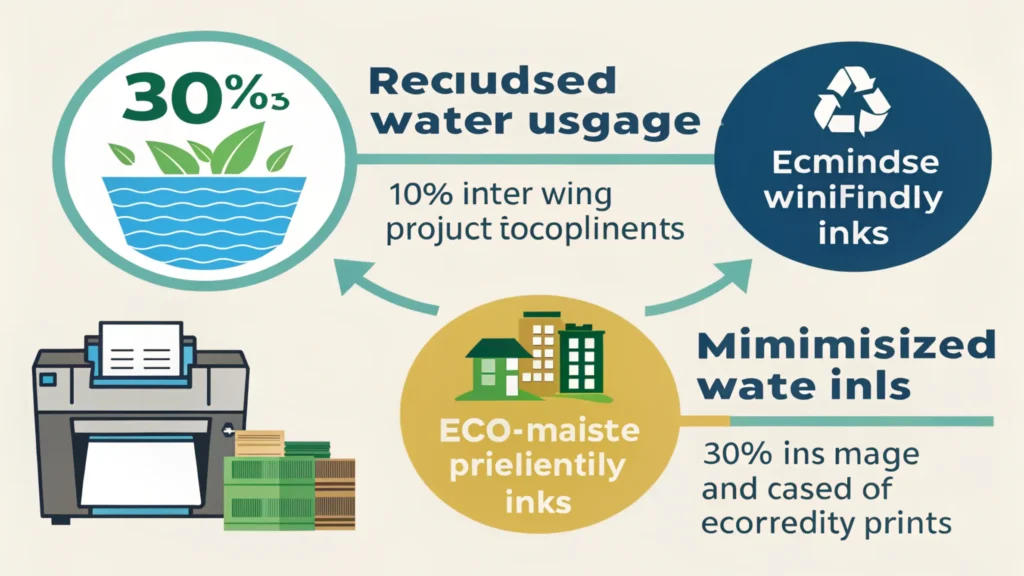
- Less Water Usage: Traditional fabric printing techniques like screen printing often require large amounts of water for washing and cleaning the screens. Digital printing, however, uses minimal water since it applies the ink directly onto the fabric, significantly reducing water consumption in the production process.
- Reduced Waste: Unlike traditional methods that often involve printing multiple copies or using large quantities of fabric for sampling, digital printing allows for precise, on-demand printing. This reduces excess fabric waste because only the necessary amount is printed, and there is no need for printing multiple versions or trial runs.
- Lower Carbon Footprint: Digital printing uses less energy than traditional printing methods because it eliminates the need for heating and drying processes that are common in older techniques. Additionally, by using water-based inks and reducing the need for pre-treatments, the overall carbon footprint of digital printing is lower.
- Less Chemical Use: Traditional fabric printing involves the use of chemicals for pre-treatment, cleaning, and post-treatment of fabrics. Digital printing, especially when using water-based or eco-friendly inks, reduces the need for these harsh chemicals, making the process safer for both workers and the environment.
- Eco-Friendly Inks: Many digital printing technologies use water-based or UV-curable inks, which are much more environmentally friendly compared to solvent-based inks used in traditional printing. These inks are biodegradable, contain fewer toxins, and are safer for the environment, reducing the harmful impact on ecosystems.
How Fabric Choices Like Cotton, Polyester, and Viscose Support Sustainable Practices
Cotton
- Sustainability Through Natural Fiber: Cotton is a biodegradable, renewable resource, making it an environmentally friendly choice. When combined with eco-conscious farming methods, such as organic cotton farming, it reduces the carbon footprint associated with fabric production.
- Sustainable Printing with Cotton: Cotton’s natural fibers also absorb digital inks well, meaning less waste and energy is used in the printing process. Organic cotton, in particular, is grown without harmful pesticides, making it a better choice for both the environment and the farmers who grow it.
Polyester
- Recycled Polyester: One of the most significant developments in polyester fabric is the rise of recycled polyester made from post-consumer plastic bottles or other recycled polyester garments. This reduces the need for virgin polyester production, lowering the environmental impact of fabric manufacturing.
- Durability and Longevity: Polyester is durable and resistant to wear and tear, meaning products made from this fabric last longer, reducing the frequency of replacement and minimizing textile waste.
Viscose
- Sustainability of Viscose: Viscose is made from wood pulp, a renewable resource, and when produced using sustainable practices, such as sourcing wood from responsibly managed forests, it can be an eco-friendly fabric choice.
- Lyocell: A more sustainable alternative to traditional viscose is lyocell, a closed-loop process where chemicals used in production are recycled and reused, leading to less environmental damage. Lyocell fabrics are gaining popularity as an eco-friendly alternative.
Trends Toward Eco-Friendly Digital Printing Technologies
- Water-Based Inks: Traditional textile printing often uses solvent-based inks, which can release harmful volatile organic compounds (VOCs) into the environment. Digital printing, however, has made great strides in using water-based inks, which are less toxic and more environmentally friendly.
- UV-Curable Inks: UV-curable inks are becoming more popular in digital printing. These inks dry quickly under ultraviolet light, reducing energy usage and improving efficiency. They are also more durable and tend to have less environmental impact during production.
- Zero-Waste Printing: Some digital printing technologies are now focusing on achieving zero-waste production. This involves optimizing the cutting and printing process to ensure that every part of the fabric is used, eliminating waste and reducing the environmental impact of overproduction.
- Sustainable Fabric Innovations: As part of the growing trend towards sustainability, new fabrics made from recycled or eco-friendly materials are being developed specifically for digital printing. Fabrics made from recycled plastics, organic cotton, and hemp are gaining traction for their sustainability and ability to produce vibrant prints.
Low-Energy Printing Processes: New digital printing machines are being designed to consume less energy while maintaining high print quality. These advances help reduce the environmental impact of fabric printing operations, making them more sustainable in the long term. - Eco-Friendly Finishes: Manufacturers are also looking for ways to incorporate eco-friendly finishes into digital prints, such as water-based softeners, biodegradable coatings, and non-toxic finishes that enhance the durability of the fabric while keeping it safe for the environment.
Conclusion
In short by choosing the right digital printing fabrics (cotton, polyester, viscose) and matching them with the right printing technique, you can unlock the full potential of digital textile printing. The right fabric makes the difference between dull, faded prints and sharp, vibrant, long‑lasting designs. For anyone looking to create standout apparel or home‑textiles, this makes a big difference in quality and longevity.
If you are ready to bring these ideas into real life check out Ethiraj Fashion. Explore our latest collection, choose your favourite fabrics and designs, and experience first‑hand how premium fabric + digital printing can transform your wardrobe. Shop now and give your style a fresh, vibrant upgrade!