
Introduction
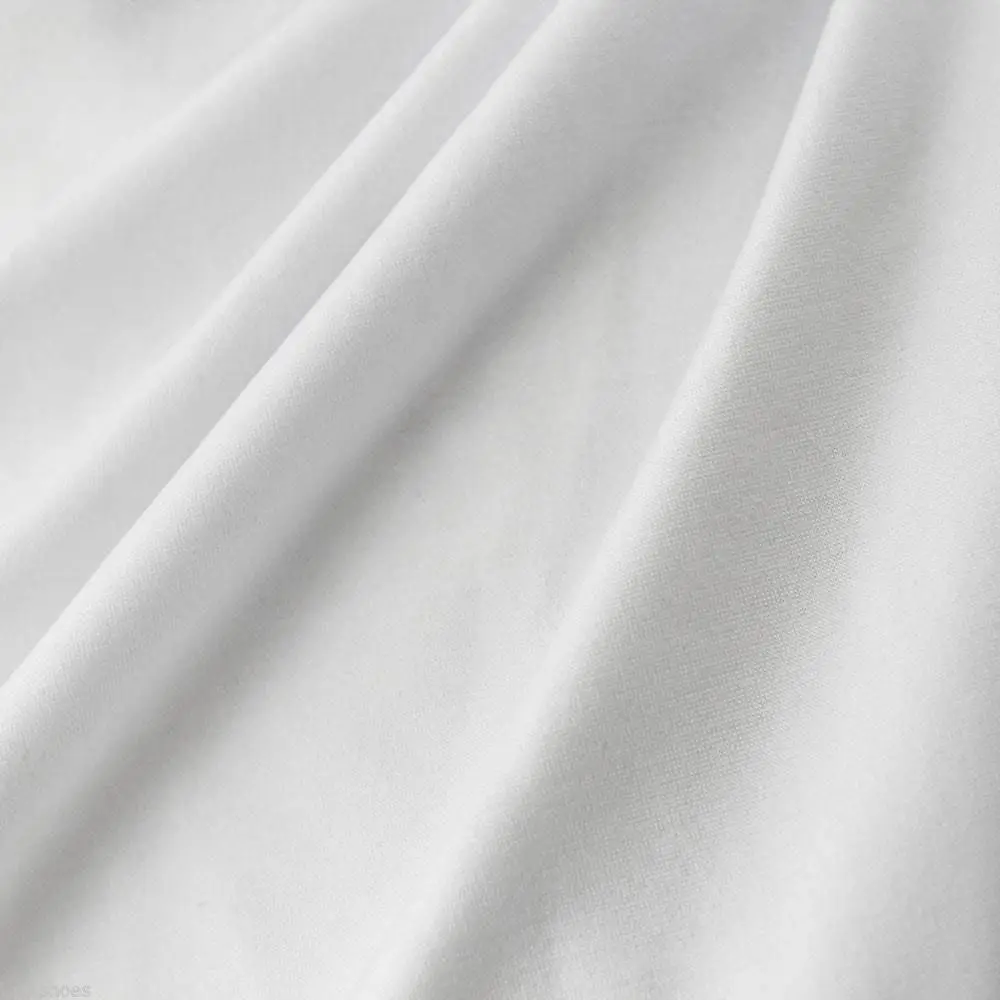
What Does RFD Fabric Mean?
The term refers to fabric that has gone through preliminary treatments so it is ready to accept dye without further preparation. Unlike raw or grey fabric straight off the loom, this material has already been cleaned of natural impurities, waxes, and sizing agents that would otherwise interfere with the dyeing process.
RFD Full Form and Basic Definition
The full form is Ready for Dyeing Fabric, and it describes exactly what the name suggests. Once cotton, polyester, or blended yarns are woven or knitted, the resulting cloth is called greige or grey fabric. This grey fabric still carries natural oils, starches used during weaving, and other residues that prevent dye from penetrating the fibers uniformly. Manufacturers treat this grey fabric through a series of chemical and mechanical processes to remove these impurities, and the result is a ready for dyeing fabric. It is typically off-white or bright white, depending on whether bleaching was included in the process, and it is ready for the next step, which is coloring.
RFD vs Greige and PFD Fabric Key Differences
People often confuse this fabric with greige fabric and PFD fabric, but the three are distinct stages in textile processing. Greige fabric is the untreated cloth straight from the loom, still containing sizing chemicals and natural fiber impurities. PFD fabric, or Prepared for Dyeing fabric, is a term used more commonly in the United States and Europe, and in most practical contexts it means the same thing as this ready-to-dye material, though some manufacturers use PFD specifically for fabric that has also been mercerized or given extra finishing treatments. In everyday sourcing conversations across Indian textile hubs, the term RFD is more commonly used, and buyers should always confirm with their supplier which exact treatments have been applied before assuming equivalence between the two terms.
How RFD Fabric is Made
The manufacturing process begins with desizing, where the starch and adhesive agents applied to yarns before weaving are washed out using enzymes or chemical agents. This step alone significantly improves the fabric’s ability to absorb dye later. After desizing, the cloth goes through scouring, a process that removes natural waxes, oils, and any remaining impurities using alkaline solutions and controlled heat. Depending on the desired final shade and the customer’s requirements, the fabric may also be bleached to achieve a uniform white base, which is particularly important when pastel or light dye shades are planned. Some fabrics also undergo mercerization, a treatment that improves strength, luster, and dye uptake by treating cotton fibers with a caustic soda solution under tension. Reputable manufacturers run multiple quality checks after each stage, testing for residual chemicals, absorbency, and consistency across the batch, since even minor variations can lead to uneven dyeing later in the supply chain. Any trusted RFD fabric manufacturer will be transparent about which of these steps their process includes, since this directly affects how the fabric performs once it reaches the dyeing unit.
Types and Uses of RFD Fabric
RFD fabric is not a single product but a category that spans several fiber types and applications, which is part of why it is so widely used across the textile industry.
Common Fabric Types
RFD cotton fabric is the most widely used variant because cotton naturally takes dye well once impurities are removed, making it a preferred choice for garments and home textiles. RFD polyester is common in industries where durability and colorfastness matter more than natural fiber softness, such as uniforms and technical textiles. Blended variants, including cotton-polyester and viscose blends, are also processed this way to combine the strengths of multiple fibers while keeping the dyeing process straightforward for manufacturers who need consistent results across large production runs.
Key Applications and Uses
Garment manufacturers rely on this fabric heavily because it allows them to dye small or large batches in-house or through a dyeing partner, giving them flexibility over color without needing to pre-order dyed fabric in bulk. Home textile brands producing bedsheets, curtains, and upholstery fabric use it for similar reasons, since it lets them respond quickly to seasonal color trends. Technical and industrial textile producers also use treated grey fabric as a base material when specific performance coatings or finishes need to be applied after coloring. Small-batch and custom dyeing businesses, including boutique studios and print-on-demand operations, depend on a reliable supplier who specializes in this processing to get consistent, evenly prepared material for every order.
RFD Fabric vs Pre-Dyed Fabric
Choosing between this fabric type and pre-dyed material often comes down to flexibility versus convenience. Pre-dyed fabric arrives ready to cut and stitch, which saves time, but it locks the buyer into whatever colors the supplier already has in stock. This fabric, on the other hand, gives brands complete control over shade selection, allowing them to match Pantone codes precisely or respond to last-minute design changes without waiting on a supplier’s existing color range. Cost-wise, buying fabric in this prepared state and dyeing it separately can work out more economical for businesses with in-house dyeing capability or an established relationship with a dyeing unit, though it does add a processing step and slightly extends lead time compared to picking pre-dyed stock off the shelf. For businesses that value customization and are working with a dependable supplier who follows proper RFD processing standards, the extra step is usually worth the flexibility it provides.

How to Identify Quality Fabric Before You Buy
Not all fabric labeled as ready for dyeing performs the same way, so it helps to know what to check before placing a bulk order. A few practical checks include:
- Testing a small swatch with water to confirm even and quick absorbency, which indicates that desizing and scouring were done thoroughly.
- Checking for any yellowish tint or uneven whiteness across the roll, which can signal incomplete bleaching.
- Asking your supplier for a dye-test sample before committing to a full production run.
- Verifying that the source is a certified manufacturer with documented, standardized RFD processing.
Working with an established RFD fabric supplier in Ahmedabad or any recognized textile hub also reduces the risk of inconsistent batches, since experienced suppliers usually have standardized processing protocols and can share batch-level quality reports on request. If you want to see sample quality before ordering in bulk, you can check our fabric quality process or get in touch with our team for a swatch.