
Introduction
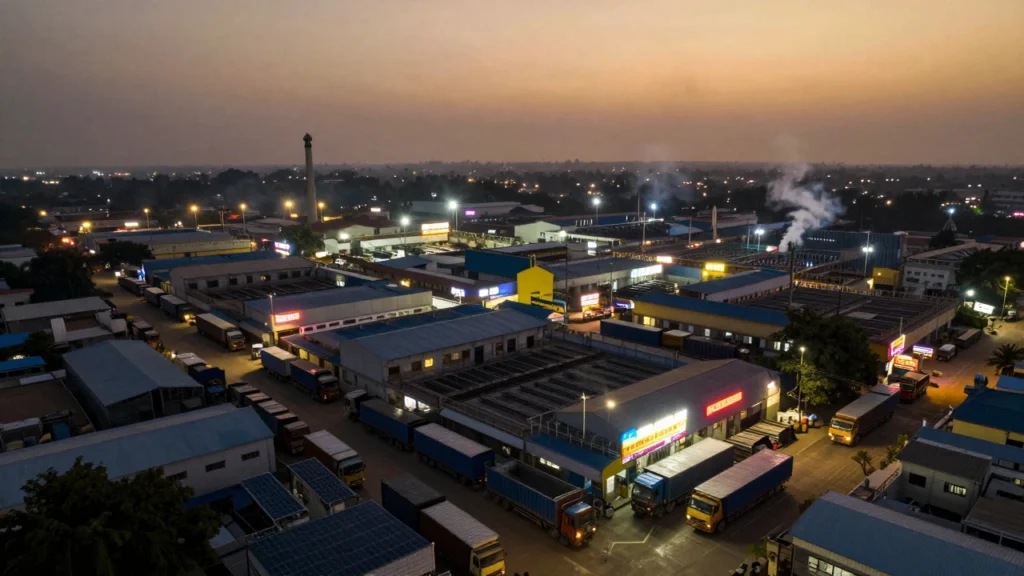
What Is RFD Fabric and Why Does It Matter?
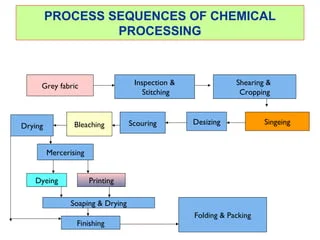
Ready for Dyeing fabric most commonly referred to as RFD fabric in the trade is woven or knitted textile that has been processed through a series of wet finishing treatments to prepare it for downstream dyeing, printing, or coating. The process involves desizing (removing the starch and sizing agents applied during weaving), scouring (cleaning the fibre surface of oils and wax), and bleaching (whitening the base cloth to a consistent optical level). For polyester and blended fabrics, heat-setting is also applied to lock in dimensional stability before the material reaches the dyehouse.
The reason this matters so much in the textile supply chain is that the quality of RFD fabric directly determines the quality of everything that comes after it. A poorly processed batch one that is unevenly scoured, inconsistently bleached, or inadequately heat-set will absorb dye unevenly, produce shade variation across rolls, and generate rejection rates that cost the buyer both money and time. Getting the pre-treatment right is not a luxury. It is the foundation on which every subsequent processing step depends.
RFD Fabric vs. Greige Fabric: Understanding the Difference
Surat's Rise as India's Synthetic Fabric Capital
| Metric | Value |
|---|---|
| Daily Fabric Production | 40M+ metres |
| Share of India’s Synthetic Fabric Output | ~65% |
| Textile Workers Employed | 700K+ |
By the 1980s, Surat had already begun pivoting decisively toward polyester and nylon-based textiles a strategic specialisation that positioned the city ideally for the global fast-fashion boom of the following two decades. Today, the city produces an estimated 40 million metres of fabric per day and accounts for roughly 65 percent of India’s total synthetic fabric output, with a significant portion of that production flowing through the RFD fabric manufacturing segment.
Why Surat Outpaces Other Indian Textile Clusters
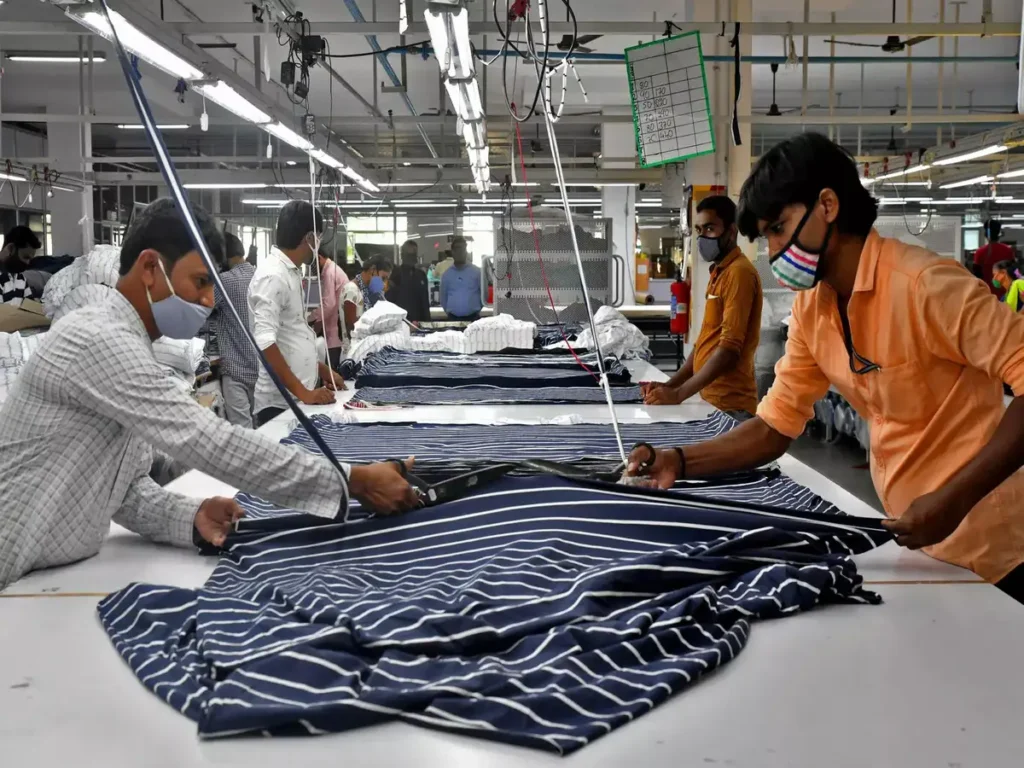
Several other Indian cities including Bhiwandi, Ichalkaranji, Erode, and Tirupur have strong textile traditions of their own. What consistently puts Surat ahead in the synthetic and RFD fabric segment is a combination of factors that competitors have struggled to replicate. Surat benefits from direct proximity to polyester filament yarn manufacturers located in South Gujarat’s industrial belt, meaning raw material procurement cycles are short and fibre quality can be verified before production begins. It also has purpose-built industrial infrastructure under GIDC estates, including common effluent treatment plants, reliable power supply arrangements, and organised logistics corridors connecting to the Hazira port and onward to Nhava Sheva for export-bound shipments.
Key Reasons Surat Leads in RFD Fabric Manufacturing
Deep Pre-Treatment and Wet Processing Expertise
Producing consistently high-quality RFD fabric requires mastery of wet processing chemistry and this is where Surat’s accumulated institutional knowledge becomes a genuine competitive moat. The city has a deep pool of experienced process technicians, textile chemists, and machinery operators who have refined their practice over decades of continuous production. Local chemical suppliers and pre-treatment machinery dealers work in close collaboration with manufacturers to fine-tune desizing enzyme formulations, scour bath temperatures, bleaching concentrations, and heat-setting profiles for specific fabric constructions. This embedded ecosystem of technical expertise is extraordinarily difficult to build elsewhere in a short timeframe.
Quality Testing and Certification Infrastructure
What to look for in a quality-certified Surat supplier:
- NABL-accredited test reports for each production lot
- OEKO-TEX Standard 100 or GOTS certification
- ISO 9001 quality management system registration
- Gujarat Pollution Control Board compliance documentation
- Consistent heat-setting temperature records for polyester RFD material
Competitive Pricing Driven by Industrial Density
The Future of RFD Fabric Manufacturing in Surat
Competitive Pricing Driven by Industrial Density
The sheer concentration of manufacturers, processors, and ancillary suppliers within Surat’s industrial zones creates intense market competition that consistently keeps fabric prices competitive without forcing suppliers to cut corners on process quality. Shared infrastructure common processing zones, effluent treatment facilities, and consolidated logistics services reduces per-unit overhead for manufacturers, allowing them to pass savings to buyers. For large-volume buyers, even modest per-metre price advantages compound into meaningful cost reductions across a full season’s sourcing.
Sustainability and Eco-Friendly Pre-Treatment Processes
Water consumption and chemical discharge have long been challenges in wet processing. Surat’s larger manufacturers are increasingly investing in closed-loop water systems, enzyme-based desizing that significantly reduces chemical load, and zero-liquid-discharge processing facilities. For buyers whose end-customers are demanding sustainability credentials, this shift creates new sourcing opportunities with suppliers who can provide credible environmental performance data alongside their product quality documentation. Forward-looking brands that are building supply chains with an eye on global sustainability standards will find a growing number of Surat-based partners ready to meet those requirements.
Digital Integration in Production and Sourcing
Forward-looking manufacturers in Surat are adopting digital tools across the production and supply chain: ERP systems for production tracking, digital shade libraries for faster colour approvals, and online platforms that allow buyers to browse RFD fabric qualities, check real-time stock availability, and initiate orders remotely. This digitisation is gradually reducing the friction that once required buyers to visit Surat in person for every sourcing decision, while also improving supply chain transparency and documentation standards across the board.
Conclusion
Surat’s standing as India’s foremost city for RFD fabric manufacturing reflects decades of compounding investment in industrial infrastructure, technical expertise, and market-building. For buyers at any stage of their sourcing journey whether you are exploring the category for the first time or looking to diversify an established supply base the city offers a depth and breadth of capability that no other Indian textile cluster currently matches in the synthetic and pre-treated fabric segment.
The combination of competitive pricing, technical process maturity, quality certification infrastructure, and raw material proximity creates a sourcing environment where serious buyers can build reliable, long-term supply relationships. The key is approaching supplier selection methodically: prioritise technical alignment, insist on documented quality evidence, and invest in relationship-building with manufacturers who demonstrate genuine process expertise. Surat does not just supply fabric it supplies the foundation on which consistent, scalable, quality-driven textile production is built.
For businesses seeking a dependable partner in this ecosystem, Ethiraj Fashion offers high-quality RFD fabrics backed by consistent processing standards and a commitment to long-term collaboration, helping you achieve reliable results in every production cycle.