
Table of Contents

Introduction

Choosing the right RFD fabric manufacturer in India is one of the most important decisions a textile buyer will make, whether sourcing for domestic garment production, home textiles, or export orders. RFD, or Ready for Dyeing, fabric forms the base for countless finished products, and even small inconsistencies at the manufacturing stage can lead to shade variations, weak batches, or delayed shipments later in the supply chain. Before finalizing any supplier, it helps to understand the fabric itself, and taking a look at how an established manufacturer presents its RFD fabric range is a useful starting point for buyers evaluating capabilities before committing to an order.
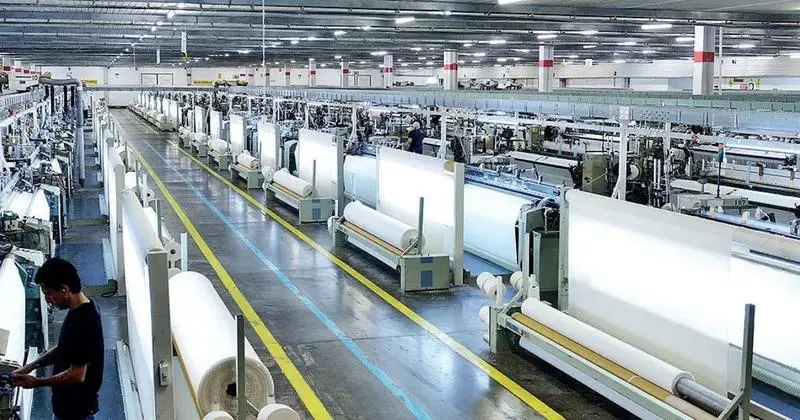
RFD Fabric Manufacturer in India (1)

Understanding RFD Fabric and Why Manufacturer Choice Matters

RFD fabric is woven or knitted greige fabric that has gone through bleaching and preparatory processes, leaving it clean, uniformly white, and ready to absorb dye evenly. In simple terms, a ready for dyeing fabric manufacturer delivers this exact intermediate stage of cloth, so brands and processing units can take over from there with their own dyeing and finishing plans. It skips the raw, unprocessed stage but hasn’t yet been coloured, which makes it a flexible base material for garment exporters, home furnishing brands, and processing units that prefer to dye in-house according to their own colour requirements. Because this fabric sits at such a foundational stage of the textile chain, the manufacturer’s process control directly affects everything downstream, dye uptake, shrinkage behaviour, and even the final hand-feel of the finished product. A buyer who overlooks this stage often ends up absorbing quality costs much later, when returns or rejections are far more expensive to fix than a careful supplier evaluation would have been.

Production Capability and Infrastructure

A manufacturer’s actual production setup tells a buyer far more than a sales pitch ever will, which is why this is usually the first thing worth verifying on a factory visit or through documentation. Any established RFD fabric manufacturer in India should be able to walk a buyer through its production floor without hesitation.

Weaving/Knitting Setup In-house vs. Outsourced

Some units own their weaving or knitting infrastructure end-to-end, while others outsource greige production and only handle bleaching and finishing. Neither model is automatically better, but in-house control generally means tighter consistency across large orders, while outsourced models depend heavily on how well the manufacturer manages its vendor network. Buyers should ask directly which parts of the process happen on-site.

Fabric GSM, Width, and Construction Range Offered

Every buyer’s end-use has specific requirements around weight, width, and weave construction, and not every manufacturer can service the full range a brand might need across seasons. It’s worth checking whether a supplier’s standard offering matches your specification sheet exactly, or whether custom construction requests are even feasible at their current setup.

Quality Control and Certifications to Verify

Quality claims are easy to make and much harder to prove, so this is where documentation and lab reports matter more than verbal assurances. This stage is often where a genuinely capable RFD fabric manufacturer in India separates itself from one that only sounds credible on paper.

Lab Testing Facilities (Shrinkage, Tensile Strength, pH, Whiteness Index)

A credible manufacturer should be able to share test data on shrinkage percentage, tensile and tear strength, pH balance, and whiteness index for each batch. In-house lab testing, rather than only third-party spot checks, usually signals a more mature quality system because it means issues get caught before shipment rather than after a buyer’s own inspection flags them.

Relevant Certifications (OEKO-TEX, ISO, GOTS if Organic)

Certifications like OEKO-TEX Standard 100, ISO quality management systems, and GOTS for organic cotton lines aren’t just paperwork, they indicate that a factory has been independently audited against defined benchmarks. For export-focused buyers especially, working with a certified RFD textile manufacturer India brands already trust can simplify compliance conversations with overseas clients considerably.

Raw Material Sourcing and Traceability
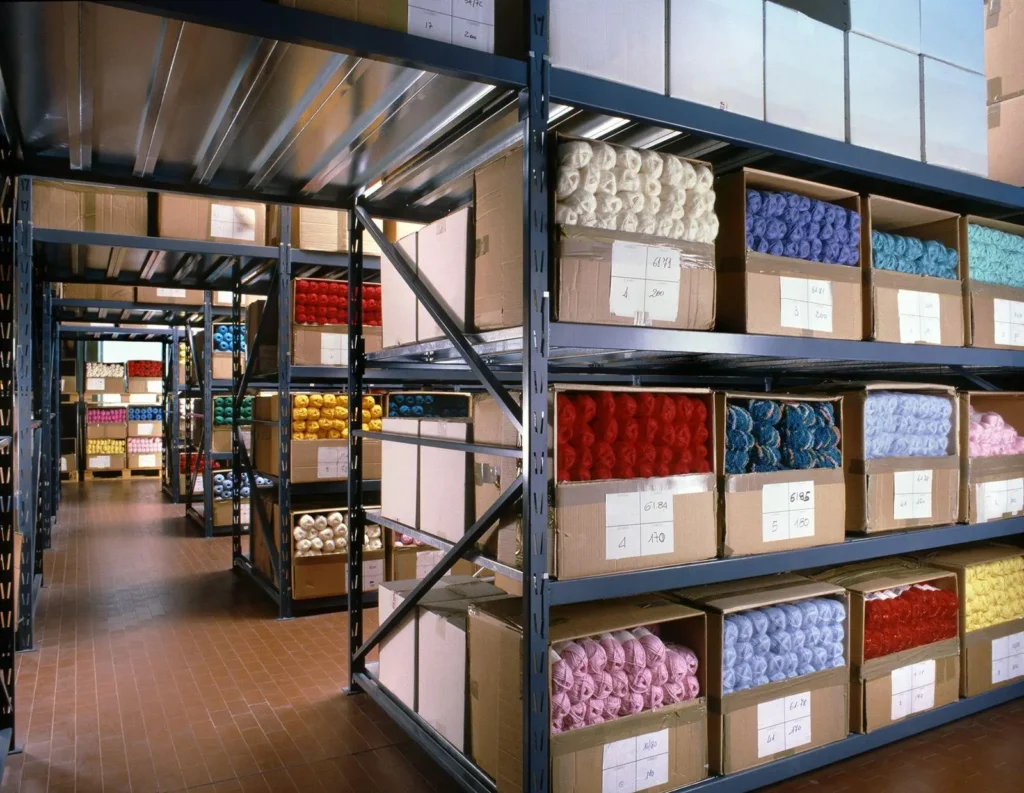
Where the yarn or greige fabric originates has a direct bearing on consistency and cost. A manufacturer that sources cotton or blended yarn from a stable set of trusted suppliers tends to deliver more predictable results batch after batch, compared to one that switches sources frequently based on price fluctuations. Buyers sourcing for sustainability-conscious markets should also ask whether the supplier can trace raw material back to its origin, since traceability documentation is increasingly requested by international buyers and retail chains. A dependable RFD fabric supplier India buyers can trust with this information is usually one that treats sourcing transparency as routine rather than an exception. Visiting a supplier’s product sourcing page before placing an order can offer early clarity on how transparent a manufacturer is willing to be about these details, and it’s a habit worth building when evaluating any RFD fabric manufacturer in India for the first time.
Raw Material Sourcing

Production Capacity and Scalability

Capacity mismatches are one of the most common reasons buyer-manufacturer relationships break down after the first order or two, and this is a factor buyers evaluating any RFD fabric manufacturer in India should weigh carefully before committing to a full production run. A factory that comfortably handles a 500-metre sample run may struggle to maintain the same quality at 50,000 metres, so it’s worth asking pointed questions about minimum order quantities, maximum monthly output, and how the manufacturer handles repeat orders during peak season. Reliable delivery timelines matter just as much as production volume, since a wholesale RFD fabric India supplier that consistently misses shipment windows can disrupt an entire production calendar downstream, regardless of how good the fabric quality itself is.

Compliance, Sustainability, and Ethical Manufacturing

Regulatory and ethical compliance has moved from being a nice-to-have to a genuine sourcing filter for many buyers, particularly those supplying to international retailers. Effluent treatment plants, water recycling systems, and chemical management protocols indicate whether a factory is operating within environmental norms rather than cutting corners to reduce costs. Labour practices are equally worth checking, including working hours, wage compliance, and workplace safety standards, since these factors increasingly show up in buyer audits and can affect a brand’s own reputation if overlooked. A manufacturer that’s open about sharing compliance reports, rather than treating them as confidential, is usually a safer long-term partner, and it’s one of the clearer signs of a responsible RFD fabric manufacturer in India.

Pricing Transparency and Commercial Terms

Price alone should never be the deciding factor when selecting an RFD fabric manufacturer in India, but transparent pricing structure is a reasonable proxy for how straightforward the rest of the relationship will be. Buyers should understand exactly how rates are calculated, per metre or per kilogram, inclusive or exclusive of GST, and whether packaging and freight are itemised separately or bundled into a single quote. Payment terms, advance requirements, and support with export documentation such as invoices and certificates of origin also deserve clarification upfront, since ambiguity here tends to surface as disputes only after goods have already shipped.

Reputation, Experience, and Client Evidence

Track record is one of the few things a manufacturer genuinely cannot fabricate overnight, which makes it a reliable filter during the shortlisting stage for any RFD fabric manufacturer in India.

Years in Business and Export Track Record

Longevity in the industry, particularly alongside a documented export history, suggests a manufacturer has survived multiple market cycles and demand fluctuations. An RFD fabric manufacturing company that has consistently retained clients over several years is generally a safer bet than one built primarily around aggressive pricing. Buyers can reasonably ask for details of previous export markets served and the scale of orders typically handled, since this gives a realistic picture of whether the manufacturer is equipped for a buyer’s specific volume requirements.

Reviews, References, and Sample Requests Before Bulk Commitment

Speaking with existing clients, wherever a manufacturer is willing to facilitate that, offers insight no marketing material can replace. Requesting fabric samples before committing to a bulk order is a standard, low-risk step that lets a buyer physically assess hand-feel, whiteness consistency, and finishing quality before larger sums are at stake.

Questions Buyers Should Ask Before Finalizing a Manufacturer

A short, direct checklist during initial supplier conversations can save considerable time later. It’s worth asking:

  • What is the factory’s in-house lab testing capability, and can test reports be shared per batch?
  • Which certifications are current, and can copies be provided for verification?
  • What is the minimum order quantity, and how flexible is it for a trial order?
  • What is the average lead time from confirmation to dispatch, and how has that held up historically?
  • Can the manufacturer provide export references or client contacts for verification?
These aren’t exhaustive, but they cover the areas most likely to create problems if left unasked.

Conclusion

Selecting the right RFD fabric manufacturer in India isn’t a decision that should rest on price or a single sample alone. It requires looking closely at production infrastructure, quality control systems, certifications, compliance practices, and the manufacturer’s genuine track record with buyers in similar markets. Taking the time to verify these factors upfront tends to save far more in avoided rework, delays, and quality disputes than it costs in due diligence. For buyers ready to evaluate a manufacturer with transparent processes and verifiable quality standards, Ethiraj Fashion is a good place to start the conversation.

Scroll to Top