
Table of Contents

Introduction

Picture a buyer standing inside a Surat processing unit, two swatches in his hand. Both are labelled RFD. Both feel the same. Then the dyeing happens, and one lot comes out smooth while the other looks patchy. That’s the moment most textile buyers realise that choosing an RFD fabric manufacturer in Surat is not a price game. It is a trust game. Before going deeper, our RFD vs PFD fabric guide helps clear the basics.

This guide walks you through the whole buying journey. Why Surat, how to read the term RFD, which base suits your product, how to spot a genuine mill, and how to keep every lot consistent. Simple language. No jargon dumps. Just what a buyer actually needs before a first order.
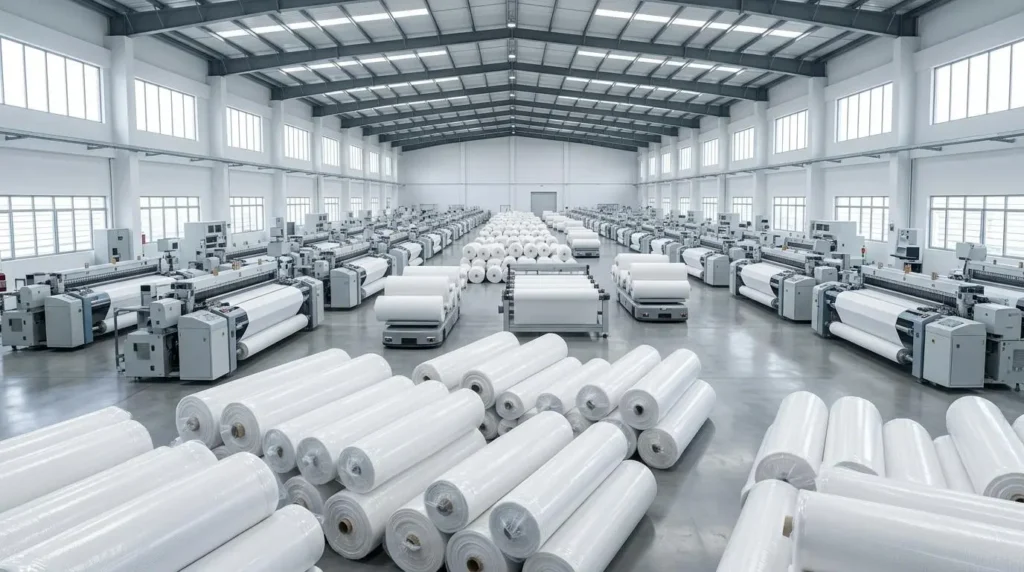
RFD fabric manufacturer in Surat

Why Surat Keeps Pulling Textile Buyers Back

Walk through Surat’s textile lanes early in the morning and you will understand. Looms humming. Trucks loading. Processing houses are already steaming. Weaving, processing, dyeing and printing sits within a few kilometres of each other, which means a lot never travels far between steps. Less travel means less waiting. It also means that if something goes wrong, you can drive down and look at it yourself. Try that with a mill four states away. Many buyers begin their hunt for an RFD fabric manufacturer in Surat right here, for this exact reason. There’s also the skill factor. Generations of job workers, process masters and traders have built know-how that no new set-up can copy overnight. Of course, a big cluster has both good and bad players both. That is why the rest of this guide exists.

Reading RFD the Way a Buyer Should

The label sounds technical. The idea is simple. Let’s unpack it properly.

Reading RFD the Way a Buyer Should

RFD stands for ready for dyeing. The cloth has already been through desizing, scouring and bleaching, so the starch from weaving, the natural waxes and the impurities are gone. What remains is a clean, absorbent base that takes colour evenly. Sounds perfect, right? Well, almost. The promise is only as good as the processing behind it. A rushed bleach leaves a yellowish tint. A weak wash leaves size residue, and the dye grabs unevenly. So when someone says their RFD fabric is ready, treat it as a claim to verify, not a certificate. Ask how it was processed, and ask to see it dyed on a small swatch before believing anything.

Matching RFD to What You Plan to Make

Start from the finished product, then walk backwards to the cloth. A shirt maker wants softness and a clean drape. A saree printer wants a smooth surface that holds fine detail. For daily wear and shirting, most buyers go for cotton RFD fabric wholesale lots, since the cloth is breathable and takes deep shades easily. Many also ask for RFD cotton fabric in plain weaves for kurtis and dress material, and a good cotton fabric range lets you compare textures side by side. Then comes the fluid side. Viscose RFD fabric Surat buyers prefer for blouses and dresses has a soft fall and rich colour, while rayon RFD fabric brings a similar silky feel for co-ords. In trade talk, viscose and rayon names overlap a lot, so always confirm the exact fibre, and browse our viscose and rayon options if you’re unsure. And when you shop for a white RFD fabric supplier, remember this: white is your blank canvas for bright prints and pastel dyes, so it shows every flaw

How to Tell a Real Manufacturer from a Middleman

Surat has hundreds of sellers, and the labels get blurry fast. A genuine RFD fabric manufacturer in Surat controls the process. A trader may only be passing the lot along. Neither is automatically bad, but you should know who you’re talking to. The one who owns the process owns the problem when something goes wrong.

Signs You Can Spot on the Factory Floor
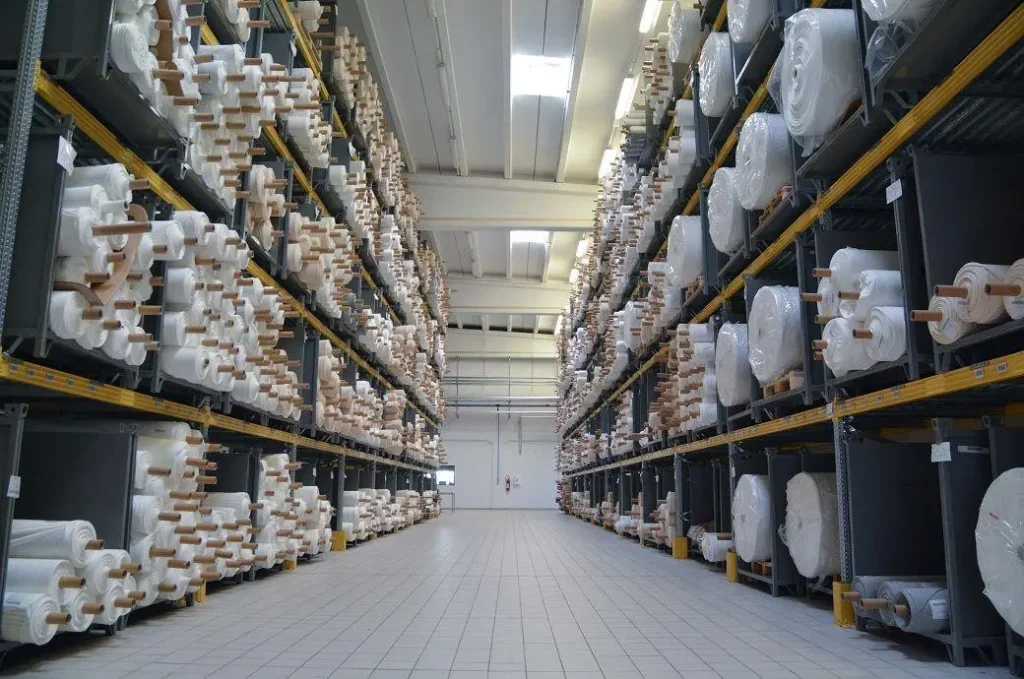
If possible, go see the place. Really. A short visit tells you more than any brochure. Look at the processing area first. Are the washing and bleaching machines running regularly, or covered in dust? Is the effluent managed properly? Check how the finished rolls are stored, off the floor and wrapped, or just stacked in a corner? Notice the people too. A mill that lets you meet the process master and ask direct questions usually has nothing to hide. If they dodge, that’s information too. Can’t travel? Ask for a short video walk-through of the unit, with your lot number visible on a roll. It’s a small request that honest sellers handle easily.
Fabric storage

Documents and Test Reports Worth Asking For

Paperwork won’t make cloth better, but it shows discipline. Ask for a few basics before you commit:

  • GSM and width on a recent lot
  • Absorbency and whiteness readings
  • Shrinkage and pH results
  • GST registration and business details

A mill that tests regularly can usually share these within a day. One that says “we’ll check later” is telling you something. Also ask what happens if a lot fails your own dyeing trial, because the answer reveals how they treat accountability. Keep copies of everything. When disputes show up months later, a dated report is worth more than a memory.

Sampling and Bulk Orders: Keeping Lot After Lot Consistent

The first lot is easy. Everyone behaves well on the first lot. The real test is lot number five.

Sample Approval Habits That Save Rework

Never approve on looks alone. Take the sample to your own dyer or printer and run your actual recipe, not a generic one. Check the shade, the hand feel, and how the surface behaves after a wash. Write the approval down, with date, GSM, width and any remarks, then keep a sealed reference piece with the mill and one with you. Sounds fussy, but it saves arguments later. Without that reference, “it feels different” is just an opinion, and opinions don’t win disputes. When you’re ready to begin, you can request fabric samples and run your first trial the right way.

Handling Shade and GSM Variation Between Lots

Small variation is normal. Cotton is a natural fibre, yarn batches change, and processing conditions shift a little day to day. The goal is not zero difference, it is controlled difference. Agree on a tolerance for GSM and width before the order starts, not after the complaint. For shade-critical work, ask the mill to supply from one processing batch as far as possible, and mix rolls from different batches only after a trial. If you’re dyeing dark colours, the variation usually hides. Pale shades and whites? They show everything. Plan your tolerances accordingly.

MOQ, Pricing Drivers and Lead Time, Explained Simply

Let’s talk numbers, but without fixed figures, because those change with yarn rates and season. Price usually depends on the base cloth, GSM, fibre, the processing level, and the quantity you commit to. Heavier or finer constructions cost more to make. Mercerised or special-finish cloth costs more again. MOQ works similarly. A mill running a regular quality may accept smaller lots, while a custom construction need a bigger commitment because the looms has to be set up for you. If you’re planning wholesale purchases, ask for slab-wise rates and see how the price moves as quantity rises. Lead time depends on loom availability and the processing queue, and festive and wedding seasons stretch both. So order early. Always.

Working with Ethiraj Fashion on RFD

Every buyer arrives with a different problem. Some need a plain base for in-house dyeing. Others want a steady supply for a seasonal print line. Looking for an RFD fabric manufacturer in Surat who starts from your end product? At Ethiraj Fashion, the conversation begins there, not with the price list. We ask what you’re making, how you’ll dye or print it, and what tolerance you can live with. Then the cloth recommendation follows. Samples first. Trials next. Bulk only after you’re comfortable. Straight talk matters here, so if a quality doesn’t suit your use, we’ll say it plainly instead of selling you something that will cause trouble later.

Conclusion

Choosing an RFD fabric manufacturer in Surat comes down to a few habits. Verify the processing. Match the base to your product. Test samples on your own dyeing line. Agree tolerances early. And pick a partner who answers questions without getting defensive. Do these, and most of the horror stories simply don’t happen to you. If you’re ready to talk about your requirement, reach out to Ethiraj Fashion and share your product, quantity and timeline. Let’s find the right base together.

FAQs

What is the full form of RFD fabric?

RFD stands for ready for dyeing. It means the cloth has been desized, scoured and bleached, so it can go straight to dyeing or printing.

Can I order a sample before placing a bulk order?

Yes, and you should. Test the sample on your own dyeing or printing process before approving the lot.

How do I quickly check RFD fabric quality on arrival?
Do a simple water-drop test for absorbency, look for even whiteness across the roll, and verify GSM and width against your approved sample.
Scroll to Top