
Introduction
A dyer in Surat once put two rolls on his table. Both looked white. Same width, same GSM, same supplier on the tag. He dipped them in one bath and the shades came out different. Small gap, big loss. That is why RFD and PFD fabric deserves a closer look before you place any order. If you buy RFD fabric only by the word “white”, you are basically guessing.
Hope is not a spec. So here’s what each term really means, how the cloth is prepared, where it fits, and how to choose without second-guessing yourself.
Start With Grey Fabric: Why Neither RFD Nor PFD Begins White
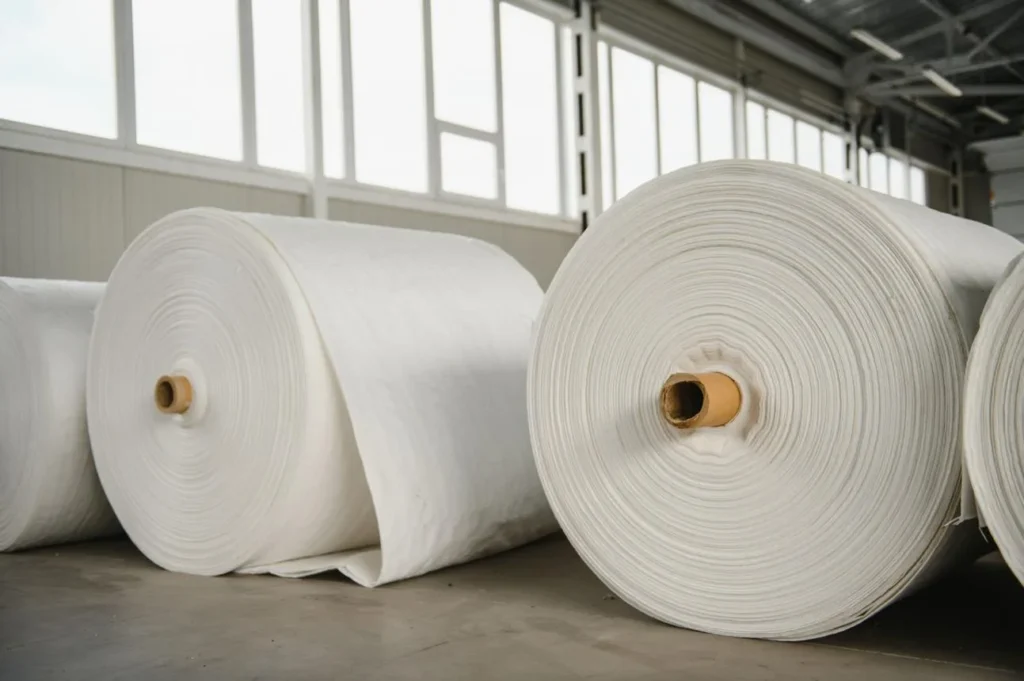
Everything starts at the loom. What comes off it is called greige fabric, or grey fabric, and it is far from clean. It carries size (a starch coating that protects the yarn during weaving), natural wax, tiny husk bits and a dull yellowish-brown tint. Touch it and it feels stiff. Pour water on it and the drops just sit there.
That is the whole story behind greige fabric vs RFD fabric. Dye or print straight on greige and the colour grabs unevenly, or sometimes not at all. Patches, streaks, weak prints. Less patches would be nice, but you can’t promise that on raw cloth.
So mills clean the cloth first. Depending on how far they go, the result is sold under labels like RFD and PFD fabric. Same starting point, different finishing line. And that finishing line is the heart of the RFD vs PFD fabric question.RFD Fabric: What “Ready for Dyeing” Really Promises
The RFD fabric full form is Ready for Dyeing. Simple enough. The RFD fabric meaning, though, is where people slip. It tells you the cloth has been desized, scoured and bleached, so it can go straight into a dye bath or a print line without more prep. White RFD fabric should feel clean, soak up water quickly and show an even white across the whole roll.
Most RFD fabric types are built on cotton, viscose, polyester and their blends. Cotton RFD fabric is the one people picture first, soft and absorbent, while RFD cotton fabric in finer counts gets picked for shirting and kurtas.
A quick story. A buyer once told us “ready” meant ready for any shade. The mill thought it meant ready for most shades. Nobody had written it down. Guess who paid for the re-dye.
PFD Fabric: What “Prepared for Dyeing” Means on the Ground
PFD fabric stands for Prepared for Dyeing. Same family, a little gentler. At many mills it means the cloth has gone through desizing, scouring and a lighter bleach, enough to dye well, but with a whiteness target that isn’t pushed as high. Think clean and workable, not showroom-white.
You will also hear PFP. That’s Prepared for Printing, and it usually asks for higher whiteness and an even, receptive surface so that fine designs come out crisp. Don’t mix the three up.
One honest note. These terms aren’t governed by a single universal standard. One mill may draw the line differently from another, and what’s called PFD in one place might be sold as RFD somewhere else. So get the spec in writing, always.RFD vs PFD Fabric: The Real Differences
When people search RFD vs PFD fabric, they usually expect a sharp line. There isn’t one. The difference between PFD and RFD fabric is mostly a matter of degree. Both are cleaned, both skip the headaches of grey cloth. What changes is how far the preparation goes.
Where the Two Split in the Mill
What Changes on the Dyer’s and Printer’s Floor
On the floor, you notice it in absorbency and shade evenness. Fully prepared RFD takes dye and print paste more uniformly, which matters for pastels and fine prints. PFD handles medium and deeper shades well, since the slight tint hides under colour. Hand feel and strength shift a little too, because heavier bleaching softens cloth but can take some strength off. Good mills balance both.
A quick comparison (general pattern, so confirm with your mill):| Point | RFD | PFD |
|---|---|---|
| Preparation depth | Fuller, controlled | Lighter, gentler |
| Whiteness | High and consistent | Moderate, slight cream possible |
| Absorbency | Quick and even | Good, can vary a little |
| Best for | Light shades, fine prints | Medium to deep shades |
| Turnaround | Usually longer | Usually shorter |
| Cost | Typically higher | Typically lower |
How These Fabrics Are Processed, Step by Step
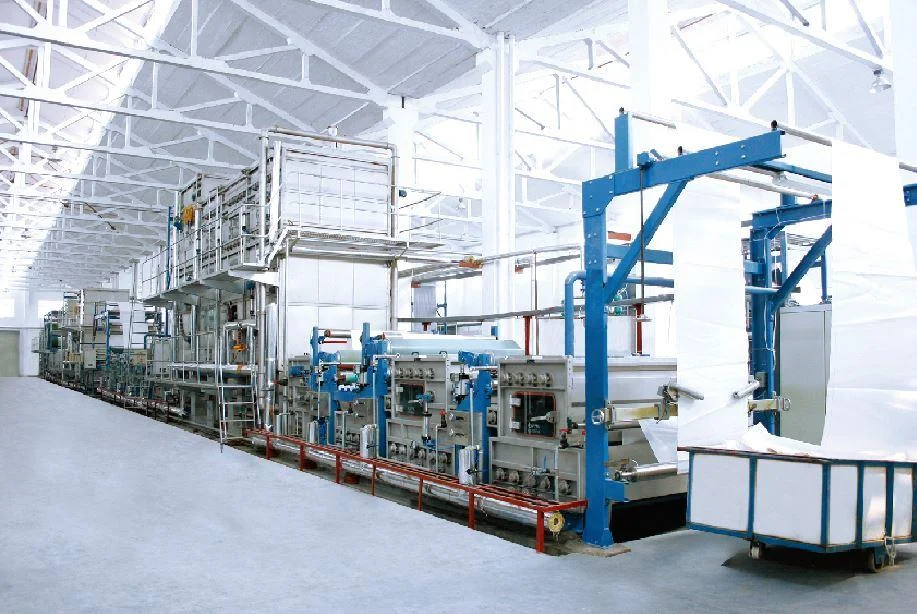
Walk through a processing house and you’ll smell it before you see it. Hot steam, starch, bleach. The cloth first meets singeing, which burns off surface fuzz. Desizing removes the starch. Scouring strips wax and natural oils. Then comes bleaching, and this is where RFD fabric processing and the PFD route part ways. Optional mercerizing adds lustre and dye affinity to cotton. Washing, neutralising and drying finish the job, followed by checks for whiteness, pH, absorbency and shrinkage.
One batch we handled had rushed desizing. The cloth looked fine on the roll, but the dye bath told another story. That’s why every stage of RFD and PFD fabric production needs patience. Skip one step and the next one pays for it.Where Each One Earns Its Place
RFD and PFD fabric find work almost everywhere cloth gets coloured. RFD fabric for dyeing is the safe pick for solid shades and light colours in shirts, kurtis and dress material, where unevenness shows up instantly. For digital and screen printing, clean white RFD is preferred, because crisp designs need a bright, even base. That’s what digital printing lines look for.
Uniforms and white-wear lean on RFD for that clean look. PFD suits medium-to-dark garment dyeing, linings and home textiles like curtains, bedsheets and cushion covers, where a tiny cream tone disappears under colour. Right fabric, right job. That’s the whole trick.How to Choose Between RFD and PFD Fabric
Shade Depth and End Use
Fabric Base and Budget Reality
The base matters too. Cotton and poly-cotton respond differently from viscose, which is slippery and sensitive to rough handling, so check the specs of viscose RFD fabric or polyester RFD fabric before ordering. And budget? Cheaper prep is a false saving if the lot needs re-dyeing. Count the whole job, not just the per-metre rate.
RFD and PFD Fabric Buying Guide
Questions to Ask Before You Order
Checks You Can Do Yourself
Drop a little water on the cloth. Good absorbency means it soaks in within a few seconds. Compare the whiteness against a reference swatch in daylight. Wash a small piece and measure the shrinkage. Always sample first, bulk later.
Watch for red flags: uneven whiteness, leftover size that makes the cloth feel stiff, a chemical odour, or no test reports at all. If you want a dependable source, pick a manufacturer that handles processing in-house, who can explain every step without dodging.Mistakes Buyers Keep Repeating
The most common slip is treating RFD and PFD fabric as the same product. They overlap, yes, but they’re not identical, and the gap shows up at the dye bath. Another one is skipping lab dips. A buyer once approved a shade on paper, ran the bulk, and found the colour a full tone off. A lab dip costs little. A re-dye costs a lot.
Third, choosing only on rate. The cheapest roll often hides the weakest preparation. Learn from other people’s batches, not your own.Conclusion
Here’s the rule. Light shades or fine prints? Go for fully prepared RFD. Deeper colours and a tighter budget? PFD often works. Whichever you pick, get the spec in writing and test a sample first. RFD and PFD fabric look alike on a roll, but they behave differently in the bath.
Ready to source? Reach out to Ethiraj Fashion, a Surat-based fabric manufacturer, and ask for samples.