
Introduction
Choosing the right fabric for clothing is one of the most important decisions in the entire garment manufacturing process, and it directly influences how a finished piece looks, feels, and performs. Whether you are a fashion designer sourcing materials for a new collection, a boutique owner planning your next stock, or simply someone curious about how your clothes are made, understanding the different types of clothing fabric material available in the market can help you make smarter, more informed choices. This guide walks through the major fabric categories used across the garment industry today, explaining their properties, common uses, and what makes each one suitable for particular kinds of clothing.
Why Fabric for Clothing Matters in Garment Manufacturing
Every garment starts with a decision about material, and that decision shapes everything that follows from stitching technique to final price point. A lightweight cotton shirt behaves very differently on the body compared to a heavy wool coat, and a stretchy activewear legging needs properties that a formal silk saree simply doesn’t require. Manufacturers, designers, and buyers all rely on a working knowledge of fabric for clothing because it affects durability, comfort, drape, breathability, and even the environmental footprint of a garment. This is also why working with a trusted apparel fabric supplier matters so much, since consistent quality at the sourcing stage prevents costly production issues later.
How Fabrics Are Classified in the Garment Industry
Classification by Fiber Source
Textile fabrics are broadly grouped based on where their fibers originate. Natural fibers come from plants or animals, including cotton, linen, wool, and silk, while synthetic fibers are manufactured chemically, such as polyester, nylon, and spandex. There is also a third category of regenerated or semi-synthetic fibers, like rayon and modal, which are made by processing natural cellulose through industrial methods. Each of these fiber sources brings its own texture, strength, and care requirements to the finished fabric for clothing. Contact us.
Classification by Construction Method
Beyond fiber type, fabrics are also classified by how the threads are put together. Woven fabrics are created by interlacing yarns at right angles on a loom, giving them a stable, structured feel that is common in shirts, trousers, and denim. Knitted fabrics, on the other hand, are formed by looping yarns together, which gives them natural stretch and makes them popular for t-shirts, activewear, and undergarments. Understanding this distinction helps buyers and designers pick fabric for garments that will actually behave the way they need it to once stitched.
Natural Fabrics for Clothing
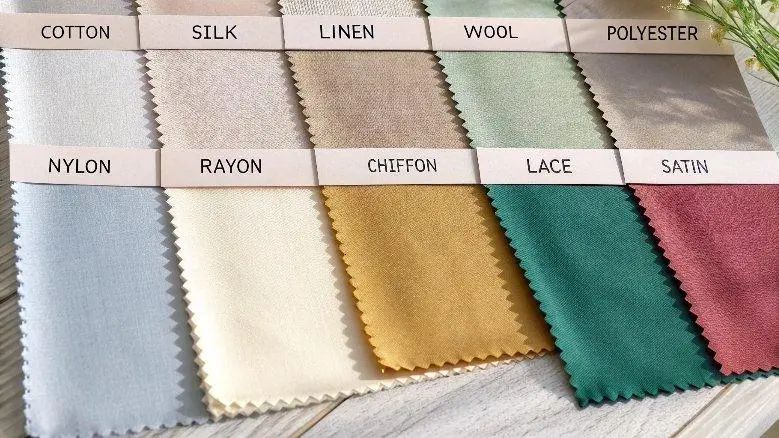
Natural fabrics remain a foundation of the garment industry because of their breathability, comfort, and long history of use in everyday wear. Cotton is by far the most widely used natural fiber, valued for being soft, absorbent, and easy to dye, which makes it a staple in t-shirts, shirts, and casual wear across nearly every climate. Linen, made from the flax plant, is prized for its cool, breathable feel and is often chosen for summer clothing and formal linen suits despite its tendency to wrinkle easily. Wool, sourced from sheep and other animals, offers excellent insulation and is commonly used in sweaters, coats, and winter garments because it traps warmth effectively even when slightly damp. Silk, produced from silkworm cocoons, is known for its smooth texture and natural sheen, making it a preferred choice for sarees, formal dresses, and luxury clothing. Hemp, a more recent addition to mainstream fashion, is gaining popularity for being durable and relatively low-impact to grow, appealing to brands focused on sustainable fabric for clothing.
Synthetic Fabrics for Clothing
Synthetic fabrics were developed to address some of the limitations of natural fibers, particularly around cost, durability, and stretch. Polyester is one of the most common synthetic fabrics in the garment industry, appreciated for being wrinkle-resistant, quick-drying, and affordable, which explains its widespread use in everything from casual wear to linings. Nylon offers exceptional strength and elasticity, making it a go-to choice for activewear, hosiery, and outerwear that needs to withstand repeated stretching. Acrylic is often used as a wool substitute since it mimics the warmth and softness of wool at a lower cost, commonly appearing in sweaters and knitwear. Spandex, also known as elastane, is rarely used alone but is blended into other fabrics to add stretch, which is why it shows up in leggings, swimwear, and fitted garments where flexibility is essential.
Blended and Regenerated Fabrics
Many garments today are made from blended fabrics that combine the strengths of two or more fiber types to balance comfort, durability, and cost. A cotton-polyester blend, for instance, brings together the breathability of cotton with the wrinkle resistance and strength of polyester, making it extremely popular for everyday clothing. Rayon, also called viscose, is a semi-synthetic fabric made from processed wood pulp and offers a silk-like drape at a more accessible price point, often used in dresses and blouses. Modal and lyocell, sometimes marketed under the brand name Tencel, are newer regenerated fabrics known for being soft, breathable, and produced through relatively eco-friendly manufacturing processes, which has made them increasingly popular among designers looking for sustainable fabric for clothing without compromising on feel.
Specialty and Technical Fabrics
Certain garment categories call for fabrics engineered for specific performance needs rather than general everyday wear. Denim, a sturdy cotton twill weave, has become a wardrobe essential because of its durability and versatility, used across jeans, jackets, and casual fashion worldwide. Fleece, typically made from polyester, is valued for its warmth and lightweight feel, commonly chosen for jackets, hoodies, and winter loungewear. Satin, recognized by its glossy surface and smooth drape, is frequently used in evening wear, linings, and bridal garments where a luxurious finish is important. Technical fabrics used in activewear, meanwhile, often combine moisture-wicking properties with stretch, showing how far fabric for clothing has evolved to meet the specific demands of modern lifestyles.
Sustainable and Eco-Friendly Fabric Options
As environmental awareness grows across the fashion industry, sustainable fabric options are becoming a bigger part of sourcing conversations. Organic cotton is grown without synthetic pesticides or fertilizers, reducing its environmental impact compared to conventional cotton while retaining the same softness and breathability. Recycled polyester, made from post-consumer plastic bottles and textile waste, allows brands to reduce reliance on virgin petroleum-based materials without sacrificing durability. Bamboo fabric, derived from fast-growing bamboo plants, is gaining attention for being naturally antibacterial and biodegradable, appealing to brands and consumers who want their fashion choices to align with more responsible production practices.
How to Choose the Right Fabric for Clothing
Matching Fabric to Climate and Comfort
Selecting the right fabric often starts with thinking about climate and how the wearer will actually use the garment day to day. Breathable options like cotton and linen work well in hot, humid conditions, while wool and heavier knits are better suited to cold weather where insulation matters more than airflow. Comfort against the skin is equally important, which is why natural fibers are still favored for garments worn close to the body, even as synthetic blends continue to improve in softness and feel.
Considering Durability, Cost, and Garment Type
Different garment categories place different demands on fabric performance, and this is where cost and durability come into the decision. Everyday casual wear generally benefits from durable, easy-care fabrics like cotton-polyester blends, while formal and occasion wear often justifies the higher cost of silk or satin for its appearance and drape. Activewear, by contrast, prioritizes stretch and moisture management above all else, which is why synthetic and blended fabrics dominate that segment of the market. Anyone sourcing at scale, whether for a boutique or a manufacturing unit, should also factor in supplier reliability, since working with an established clothing fabric supplier in Ahmedabad or another major textile hub can make a real difference in consistency and lead times.
Avoiding Common Fabric Selection Mistakes
One common mistake is choosing fabric purely based on appearance without considering how it will perform once worn, washed, or exposed to different weather conditions. Another frequent issue is overlooking fabric weight, since a fabric that looks right in a photo may be too heavy or too thin for its intended use. Buyers new to sourcing sometimes also underestimate the importance of testing fabric samples before committing to a bulk order, which can lead to costly reworks later in production.
Conclusion
The garment industry relies on a wide variety of materials, and understanding the different types of clothing fabric material from natural fibers like cotton and silk to synthetic and blended options like polyester and modal makes it much easier to choose materials that suit both the garment’s purpose and the wearer’s comfort. Whether you’re a designer refining a collection, a retailer planning your next order, or a manufacturer looking to improve product quality, having clarity on fabric properties pays off at every stage of production. If you’re looking for reliable, high-quality fabric for clothing sourced with consistency and care, Ethiraj Fashion is here to help you find the right material for your next garment project.
FAQs About Fabric for Clothing
Cotton and linen are generally considered the most breathable fabrics for clothing because their natural fibers allow air to circulate easily, keeping the wearer cool in warm conditions.
Woven fabric is made by interlacing yarns at right angles, giving it a stable structure, while knit fabric is formed by looping yarns together, which naturally gives it more stretch and flexibility.
Polyester is durable, affordable, and wrinkle-resistant, which makes it practical for everyday clothing, though it is less breathable than natural fibers like cotton.
The best fabrics for dress making depend on the occasion, but silk, satin, and high-quality cotton blends are commonly preferred for their drape and finish.