Introduction
In the textile industry, choosing the right fabric is very important because it affects both the quality and flexibility of the final product. Before any colors or prints are added, manufacturers usually start with a base fabric that can be customized as needed. One of the most commonly used base materials in garment production is RFD fabric, as it allows designers and manufacturers to create fabrics exactly the way they want.
Many fashion brands and garment units prefer working with unfinished fabric because it gives them full control over dyeing, printing, and finishing. This makes it easier to maintain consistent quality in bulk production and achieve better results in the final garments.
In this guide, you will learn how RFD fabric is used in fashion and production, why manufacturers prefer it, and how to choose the right fabric for your business needs.
What is RFD Fabric?
Meaning and Basic Concept
RFD Fabric means Ready For Dyeing fabric that has been properly cleaned and prepared so it can easily absorb colors and prints. During processing, natural oils, dirt, and other impurities are removed from the fabric, which helps dyes spread evenly and prevents uneven shades or patchy results.
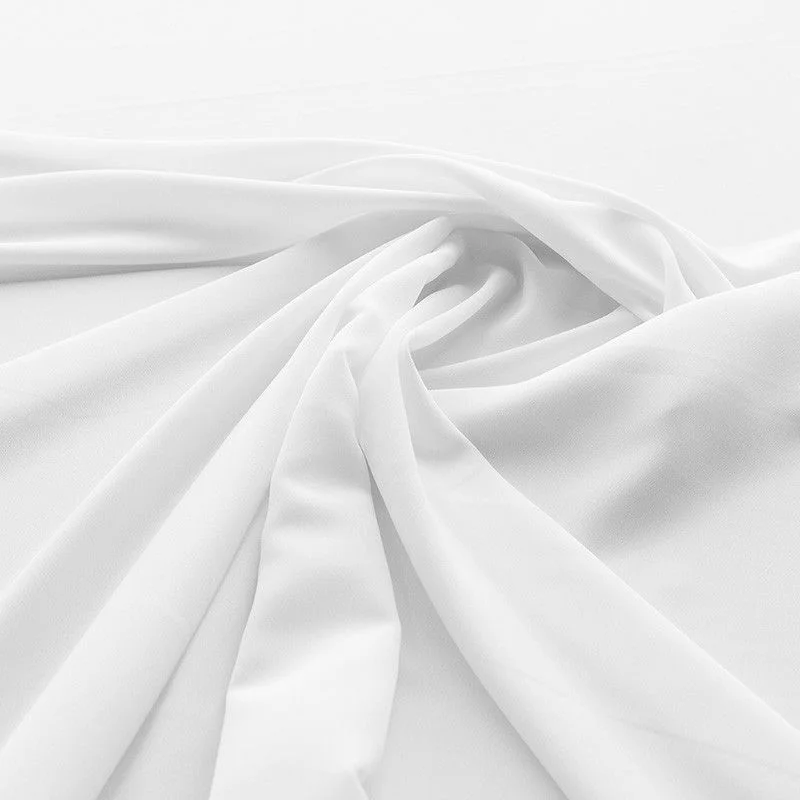
Unlike finished fabrics, this fabric usually comes in a natural off-white color because it has not been dyed or printed yet. This plain base makes it suitable for many types of textile uses, especially when custom colors or designs are required.
Manufacturers prefer RFD Fabric because it provides a clean and stable surface that helps achieve accurate colors and consistent results during dyeing or printing.
How the Fabric Is Prepared
Before it reaches garment manufacturers, this fabric goes through a careful preparation process to make sure it works properly during dyeing and printing. The main purpose of this process is to ensure the fabric absorbs colors evenly and gives consistent results during production.
The preparation process usually includes a few important steps:
- Removing natural oils and wax from the fibers
- Proper washing and bleaching to clean the fabric
- Stabilizing the fabric so it keeps its shape during processing
- Final quality checking and folding for supply
Because of these steps, RFD Fabric performs reliably in industrial processing and helps reduce the chances of defects in the final garments.
Why the Fabric Looks Off White
One easy way to recognize RFD Fabric is by its soft off-white color. This natural shade is completely normal and shows that the fabric is ready for dyeing or printing.
Since the fabric does not already have any color on it, dyes can absorb more evenly and produce accurate shades. Because of this clean base, it works especially well for light colors and detailed prints where color clarity is important.
Types of Fabric Used in Production
Cotton Base Material
Cotton is one of the most commonly used fabrics for ready-for-dyeing material. It is soft, breathable, and comfortable, which is why it is widely used for everyday clothing and casual wear.
Cotton fabric works very well for dyeing and printing because it absorbs color evenly. This makes it a dependable choice for fashion brands and garment manufacturers who want consistent results in their production.
Rayon and Viscose Materials
Rayon and viscose fabrics are widely used in women’s fashion and printed garments. These fabrics have a smooth feel and soft fall, which makes them suitable for modern and stylish clothing designs.
Many textile processors prefer viscose-based RFD Fabric because it gives clear prints and bright colors, especially in digital printing. This helps achieve neat designs and better overall fabric appearance.
Blended Textile Options
Blended fabrics are made by mixing different types of fibers to improve strength and performance. These fabrics are commonly used for uniforms, workwear, and large-scale garment production where durability is important.
Blended base fabrics help manufacturers maintain good fabric strength while still allowing flexibility for dyeing or printing according to their requirements.
Uses in the Fashion Industry
Garment Manufacturing
Many fashion brands start their production with RFD Fabric because it gives them full control over dyeing and finishing. Instead of using ready-colored fabric, they can create their own shades and designs according to their brand style.
This approach helps brands maintain consistent quality and achieve better results during bulk production.
Garment factories also prefer using prepared fabric because it makes inventory management easier. The same base fabric can be used to produce different colors and designs depending on market demand.
Digital Printing Applications
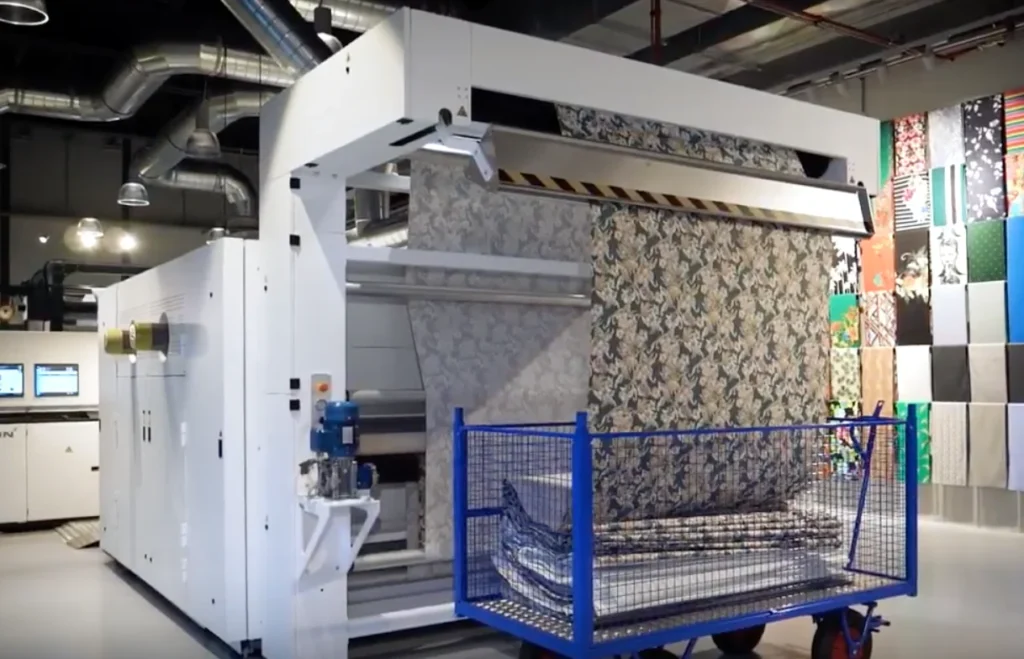
Digital printing needs a smooth and well-prepared fabric surface to get the best results. RFD Fabric works very well for digital printing because its clean surface helps the ink spread evenly.
This makes it easier to achieve clear designs, sharp details, and consistent colors on printed fabrics. Digital printing units often use this type of base fabric for both sampling and bulk production because it gives reliable and predictable printing results.
Custom Dyeing Requirements
Many textile businesses offer custom dyeing services to match the exact color shades their clients need. For this work, they usually use ready-for-dyeing fabric because it helps achieve accurate and consistent colors.
Using properly prepared fabric reduces the chances of mistakes during production and makes it easier to get the same results again, even in large quantities.
Benefits for Fashion Brands
Better Customization Control
One of the biggest benefits of RFD Fabric is the flexibility it offers. Designers and manufacturers can easily create their own colors and prints without any restrictions.
Because of this flexibility, brands can quickly adapt to new fashion trends and changing customer preferences without much difficulty.
Consistent Production Quality
Consistency is very important in garment manufacturing, especially when producing in large quantities. Well-prepared fabric helps maintain stable quality, which ensures that the results remain uniform throughout the production process.
This reliability makes it easier for manufacturers to maintain consistent product standards and avoid quality issues in bulk orders.
Efficient Bulk Manufacturing
Large-scale production needs materials that give consistent and reliable results. RFD Fabric helps factories plan their production more smoothly because it performs predictably during dyeing and printing.
This procedure helps reduce production delays and also minimizes fabric wastage during processing.
Difference Between Prepared and Dyed Fabric
Processing Stage Difference
Prepared fabric is a plain fabric that still needs dyeing or printing, while dyed fabric is already finished and ready to be used for stitching garments.
Manufacturers usually choose base fabric when they want full control over colors and finishes instead of depending on ready-colored materials.
Choosing the Right Option
Prepared fabric is a good choice when manufacturers need flexibility and customization. It is commonly used for:
- Developing custom colors
- Digital printing work
- Large production quantities
- Sampling and testing before final production
Pre-dyed fabrics are usually more suitable for small orders or when garments need to be produced quickly without additional processing.
How to Identify Good Quality Fabric
Surface Uniformity
A good base fabric should have a smooth and even surface. If the texture is uneven, it can affect how colors absorb and may lead to poor printing results.
When the fabric is uniform and well-made, it helps achieve better dyeing and finishing results.
Fabric Stability
Shrinkage and fabric distortion can cause problems during garment production. Good quality fabric should hold its shape even after dyeing and processing.
Stable fabric helps manufacturers avoid defects and reduces the chances of product rejection during production.
Clean Processing
Good-quality prepared fabric should be clean and free from stains or impurities. A properly cleaned fabric allows colors to absorb better and helps achieve clear printing results.
Reliable suppliers usually follow strict quality checks before supplying the fabric to ensure consistent quality.
Conclusion
Modern garment production depends on base fabrics that are flexible and reliable. RFD Fabric helps fashion brands and manufacturers maintain consistent quality while still allowing complete customization in colors and designs.
From digital printing to bulk garment production, this prepared fabric provides a strong and dependable base for textile processing. Businesses that work with the right suppliers and focus on quality can achieve better results and smoother production.
As fashion manufacturing continues to grow and change, RFD Fabric remains a practical choice for brands that want better control and consistent results in their fabrics. If you are looking for quality base fabrics for your production needs, Ethiraj Fashion offers reliable fabric solutions to support your business.