
Summary
This guide is designed to help kurti, gown, and saree manufacturers understand how to find RFD fabrics through easy terminology. This article will help people working in the areas of fabric sourcing, dyeing, printing, or the garment industry, to make better decisions and buy the proper fabrics for their ethnic wear collections.
Introduction
The quality of the fabric used in Indian ethnic wear is extremely important when producing a kurti, gown, or saree. The final appearance, feel, and colour of the garment all depend on the quality of the fabric. For this reason, Viscose RFD Fabric (refers to a fabric that is ready to dye & print) is used by most of the manufacturers to create ethnic clothing that has been pre-treated for custom dyeing, printing, and detailed finishing.
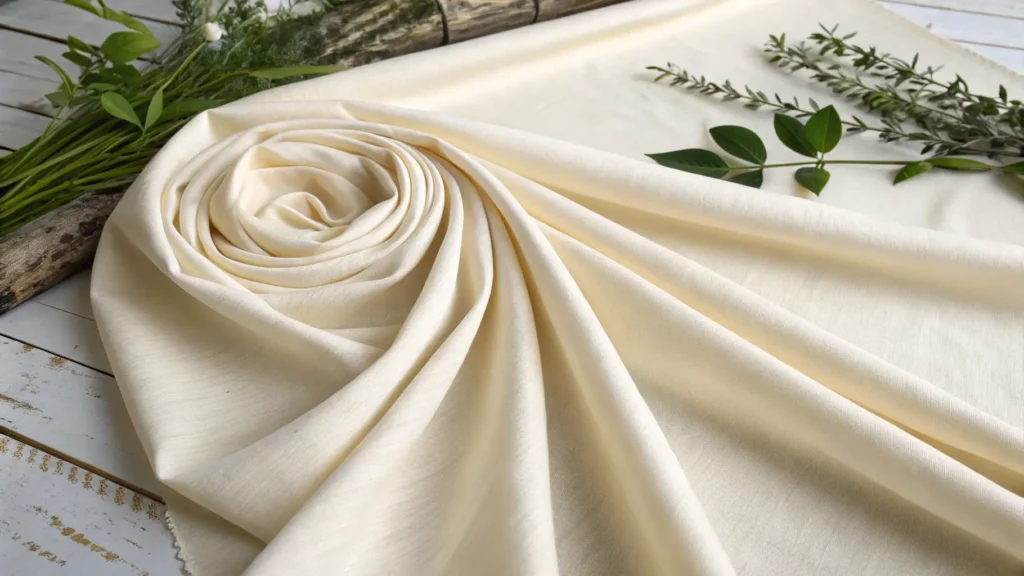
RFD is an acronym for Ready for Dyeing. RFD fabric is supplied only in its undyed and untreated stage; that means there isn’t any color, print or bleach on the fabric. This gives a manufacturer the ability to obtain the same exact shade of dye, as well as a consistent, bold color throughout, with no variation or “patchiness.” Therefore, companies that desire control of their color consistency and design options will find that utilizing RFD fabric is an advantage.
Indian sarees/gown are extremely popular in ethnic apparel made with viscose RFD fabric. Viscose RFD Fabric has a very nice soft texture; it breathes very well; and it flows well, thus it is extremely comfortable to wear. For instance, Kurtis/gowns/sarees made from viscose have a very elegant drape when worn.
Furthermore, since Viscose absorbs dyes and prints excellently, it is used for many kinds of collections such as everyday wear and festive garments.
What is Viscose RFD Fabric?
Made using mainly pulped wood products taken from trees, viscose consists of natural plant material as well as synthetic resin. Because viscose is plant-based, it has all of the recommendations of cotton; however, viscose has a much smoother touch and more flowing texture than cotton. The softness, comfort, and breathability of viscose make it ideal for the hot humid climate of India.
Viscose has another … important quality that distinguishes it from other fabrics: its ability to drape nicely. As viscose drapes, it falls naturally, which creates an elegant and high-quality appearance to garments. Therefore, this fabric has become so popular in India for ethnic clothing pieces such as kurtis, saris, and gowns.
Meaning of RFD
Ready for dye is an abbreviation for Prepare for dye. RFD fabric (also known as RFD fabric) is the fabric in its original (unprocessed) condition, and it:
This fabric is:
- Not dyed
- Not printed
- Not bleached
Primarily, RFD is used when producing fabrics (all) will be dyed at some point time (printing process).
How Viscose RFD Fabric Is Different from Dyed or Printed Fabric
The flexibility and control are a key differentiator between both types of fabrics.
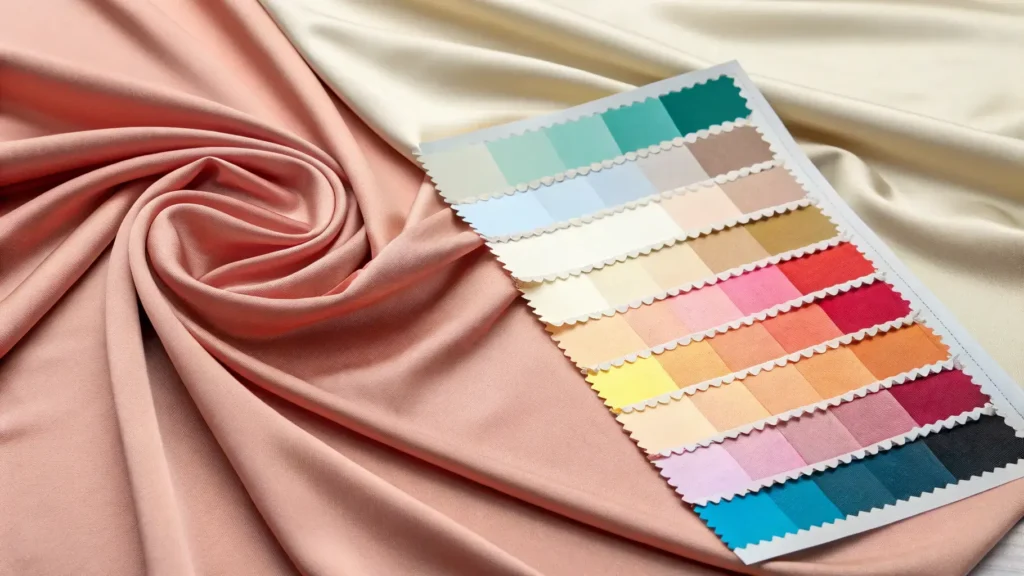
With RFD Viscose Fabric, a manufacturer has complete colour options and control over design choices. Because it is not dyed or finished prior to delivery, an RFD supplier allows fabric to be dyed or printed, or created with special techniques according to a customer’s specific requirements. As a result, this is a great resource for custom orders, seasonal lines and bulk dyeing orders.
Dyeing or printing on other fabrics requires a predetermined colour and/or design option. After purchase, the purchaser will be unable to change the colour or design of the fabric. This can hinder a manufacturer’s ability to customise a garment and can provide complications when the colour intended in the design does not match the final purchase.
In short, as compared to traditional dyeing or printing methods, RFD Viscose Fabric provides a more creative environment for designers, provides better colour outcomes and offers greater flexibility when producing garments. Therefore, a growing number of ethnic wear manufacturers are choosing to produce their garments using RFD Viscose Fabric.
How Viscose RFD Fabric is Made
Viscose fabric, an artificial fiber derived from the natural material of wood pulp, is used for making fabrics such as: saris, dupattas, kurtas and other traditional clothes worn by people in the Indian culture.
In contrast with other synthetic fabrics, due to the fact that viscose has its origins in nature, this type of fabric has been embraced by many women for its softness, comfort and ability to keep one cool during hot weather.
Natural origins are among the many reasons why Viscose is so popular throughout India.
Spinning and Weaving Process
After converting wood pulp to fiber, wood pulp is then spun into yarn, which can be used in two different methods of producing fabric: weaving or knitting.
Spinning will convert the fibre into smooth, strong yarn, and weaving will create a durable, smooth, and structured product (fabric). As fabric is made, keeping it clean and free of chemicals during this stage makes it easier to dye the fabric.
Why the Fabric Is Kept Dye-Ready
The fabric is kept dye-ready so that manufacturers can dye it in any color they want. Since the fabric is not bleached or dyed during manufacturing, it can absorb colors deeply and evenly later.
This is especially important for bulk dyeing, printing, hand dyeing, and seasonal collections where exact color matching is required. Dye-ready fabric helps reduce shade variation and improves final garment quality.
Quality Checks Before Dispatch
- Checking fabric width and GSM
- Inspecting for weaving defects or holes
- Ensuring uniform texture and smoothness
- Verifying that the fabric is clean and suitable for dyeing
Features of Viscose RFD Fabric
Very Soft & Smooth To The Touch
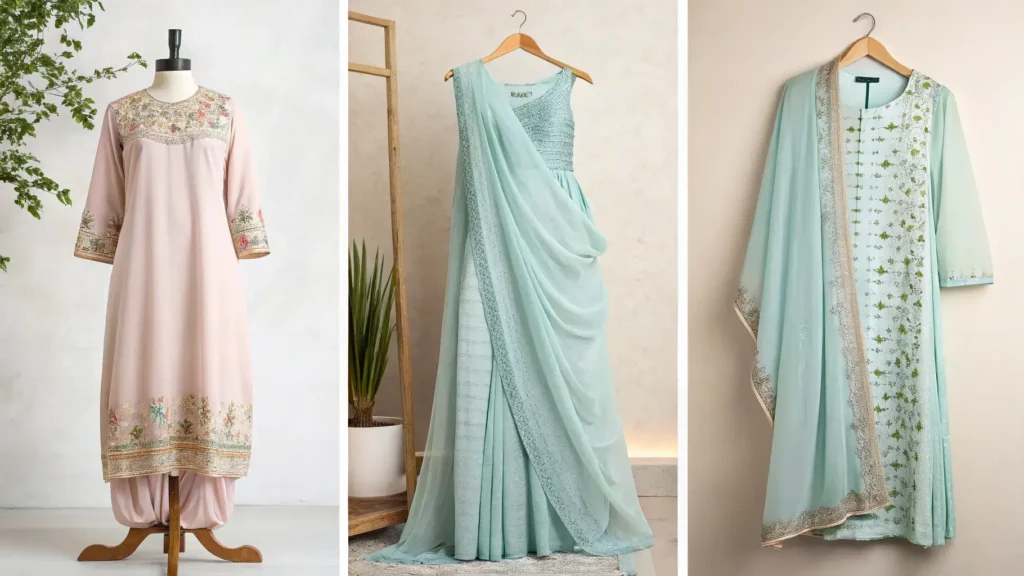
The touch of Viscose RFD is extremely soft & smooth. It does not irritate the skin & is therefore very comfortable to wear for long periods of time. Additionally, the softness associated with the fabric gives it a very premium and sophisticated appearance.
Highly Dyedable
The most significant benefit of this fabric is its incredible dye absorption performance. Since Viscose is manufactured in its most natural (unprocessed), untreated form, the dye bonds evenly; resulting in vibrant, even color, free from streaks or blotches. This characteristic is especially critical when dyeing multiple units together.
Breatheable and Lightweight
The Viscose fabric allows air to flow freely, providing a breatheable feel against the body; while also being extremely lightweight. Thus, it is comfortable to wear in hot weather; making it well-suited for both summer & casual ethnic wear throughout an entire day’s outings.
The Hang and Drape of Viscose Fabric
Natural Viscose has a natural hang or drape. When sewing, it increases the natural drape of your garment, such as a kurti or a gown, by providing movement and enhancing the drape of your garment. Because of this, your garment will feel more sumptuous and elegant, but will not be excessively heavy or rigid.
Skin-Friendly for Everyday Clothing and Special Occasions
Due to its smoothness, coolness, breathability, and softness, Viscose is a good choice for everyday wear and special occasion clothing that is worn during extended periods of time. When creating ethnic clothing, Viscose provides a good balance between style and comfort for clothing manufacturers.
Why Manufacturers Prefer Viscose RFD Fabric
The Flexibility of Having Custom Color Options
Having the ability to create custom color options is one of the main reasons suppliers and manufacturers have chosen this material. By supplying the material in a dye-ready state, the user can develop any number of colors for their brand and for specific seasons or needs. For designers who want to create a limited edition collection or private label product, this is a tremendous benefit.
The Ability to Control the Final Shade
With the use of RFD fabrics, suppliers and manufacturers now have control over their final color. The dyeing process can be modified or adjusted to produce the correct depth of shade, ensure consistency, and provide uniformity among multiple batch orders. Eliminating the chance of incorrect color disposition will make it much easier for a manufacturer to create the exact shade of a garment.
Bulk Dyeing and Printing
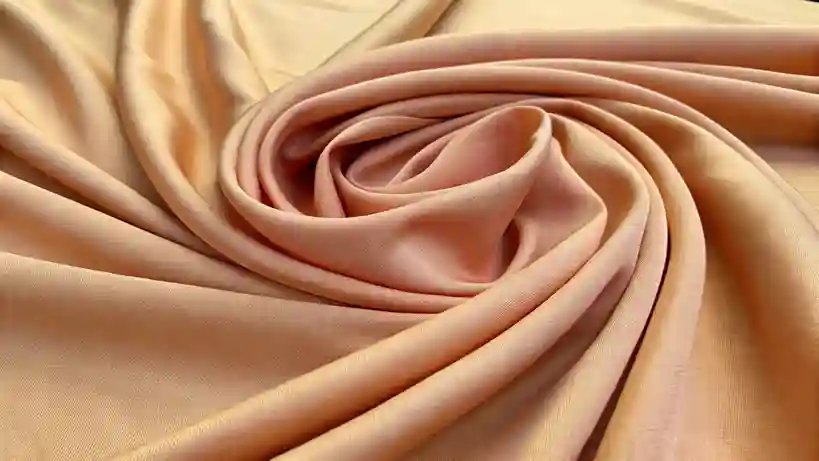
The RFD fabric is ideal for bulk dyeing and printing. The dyeing process allows for an even absorption of dye throughout a quantity of fabric, ensuring a consistent and uniform color. Both screen printing and digital printing produce clear, crisp images on the RFD fabric.
The consistency of quality
of the material from lot to lot is what manufacturers look for the most. The consistent quality of this fabric allows for repeat orders and allows manufacturers to run longer production runs without having to deal with the unpredictable behaviour of the fabric during dyeing or stitching.
Cost-Effectiveness of the Many Large Production Runs
Viscose RFD fabric is a very cost-effective method for making goods in large quantities because it creates a great aesthetic and level of comfort for the end-user at the same time, which allows for good margins by manufacturers while providing high-quality garments to the consumers.
Uses of Viscose RFD Fabric in Kurtis
Kurtis
Kurtis for everyday use are typically made from Viscose RFD fabric because it is soft, airs well and is very light. When worn, it provides plenty of comfort and ease of care which makes Viscose RFD a good option for clothing that will be used frequently as it offers both comfort and durability.
Office and Casual Kurtis
Kurtis can be worn at work or casually. The clean and neat appearance of Viscose RFD fabric gives the wearer a professional image at the workplace. The colourways of Viscose RFD fabric look good to the eye as the fabric is easy to dye and holds colour nicely. In addition, the fabric has a natural sheen that makes it appropriate for both office and casual wear and will stay comfortable even when worn for extended periods of time.
Anarkali and A-Line Styles
Kurtis in the Anarkali and A-Line styles are best suited for use with Viscose RFD fabric due to the natural flow of Viscose RFD fabric and its ability to drape beautifully.
Embroidery and Hand-Work Suitability
Kurtis designed with Viscose RFD fabric will support embroidery and hand work like thread work, mirror work, and light zari, due to the fact that Viscose RFD fabric holds stitching securely and provides a smooth surface to apply decorative embellishments. Therefore, Viscose RFD is appropriate for both basic and decorative kurti styles.
Uses of Viscose RFD Fabric in Gowns
Drapes and Flare Gowns
For flowing silhouettes and flared gowns, there is no better fabric than viscose RFD. The natural fall of the RFD fabric aids in creating an elegant and smooth drape, resulting in beautiful movement and flow. This allows for an elegant look without the additional weight that would be required for longer, layered styles.
Festive/Party Gowns
For festive and party gowns, viscose RFD creates a perfect combination of style and comfort. The fabric looks incredibly luxurious, just as it feels when worn, yet it is lightweight, soft, and breathable, which makes it ideal to wear for extended periods when attending parties or events.
Digital and Ombre Printing
RFD fabric is a great medium for creating stunning prints, whether by digital printing or ombre dyeing, thereby creating vibrant, sharp, and beautifully distributed colors throughout a gown. The gradual transition of color from top to bottom creates an excellent visual effect that further enhances the overall design of a gown.
Comfort and Elegant Look
One of the major benefits of RFD fabric is how it combines comfort with an upscale appearance. Gowns created from RFD will have a beautiful and elegant appearance but will remain easy to wear and breathable; therefore, they can be worn throughout the day and throughout the modern ethnic gown collections.
Uses of Viscose RFD Fabric in Sarees
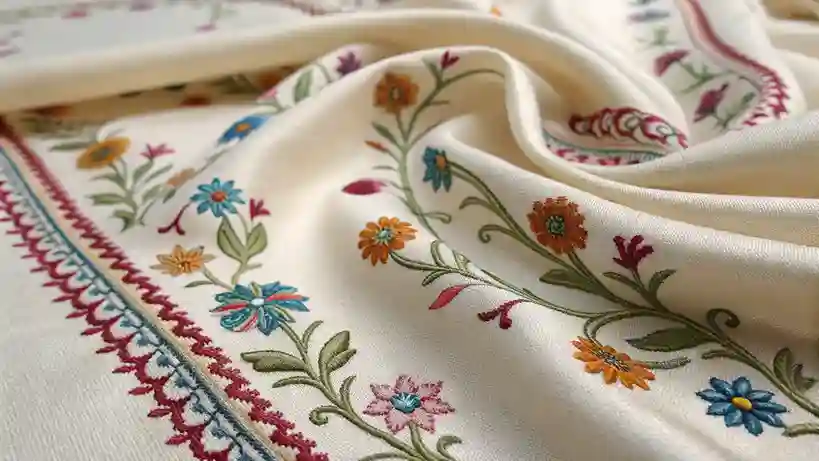
Dyeable Sarees Made Using Viscose RFD
Viscose RFD, in its natural state, is a popular choice for dying when creating sarees. Since viscose is provided in the form of raw fiber prior to treatment, it enables even absorption of dyes and assists manufacturers in producing an array of rich and uniform solids as well as experimenting with custom colours depending on market trends.
Printed Viscose Saree Manufacturing
Viscose works well throughout the process of creating a printed saree; both screen print and digital method. Viscose provides clear and sharp print definition, and retains colour vibrancy after production before being shipped to the consumer. The appearance of viscose is pleasing when used in both contemporary and traditional styled sarees.
Tie Dye/Bandhani and Hand Crafted Styles
Viscose RFD is a great fabric choice for tie dye/bandhani and others. Due to its versatility as a hand-dyeing process, artisans have more control over achieving clean patterns and a strong contrast in colour. As such, it is a preferred fabric used by many artisans during the dyeing process.
Lightweight Comfort for All Day Wear
Viscose RFD is a lightweight and breathable fabric making vicose sarees extremely comfortable for extended wear. With ease of draping and lack of weight, they are an excellent option for everyday use, workspaces, and festive celebrations and occasions.
Dyeing & Printing Benefits of Viscose RFD Fabric
How Colors Appear More Vivid & Vibrant
When looking at Viscose RFD fabric of this kind, they’ll appear very vivid & vibrant when dyed because they’re not treated; they’re clean. There’s no coating on top, so there’s a lot of room for the dye to be absorbed into the fibers of the fabric. When you do that, the results will be very bold and vivid, which will make the garment appear much more luxurious.
Complete Either Way with Dyeing
Another thing that is great about Viscose RFD fabric is the even distribution of dye throughout the entire fabric. The dye will be distributed evenly over the fabric, which means the likelihood of having a spot that is not completely dyed or a shade that does not match is greatly reduced. This is important in bulk dyeing because you’ll want consistent colouring throughout a bulk lot of fabric.
Best Dyestuffs Available for Viscose
Reactive dyes and vat dyes are the most commonly used styles of dye for Viscose fabrics due to how the dyes react to the viscose fibres. Both types of dyes bond to viscose fibres well, giving them their excellent wash fastness properties, which maintain the shade quality after washing and finishing.
By using the correct dyes for Viscose fabrics, you increase the durability of the finished garment, thereby reducing the fading of the colour in the finished garment.
Printing Processes/Techniques Available for Viscose RFD Fabric
Viscose RFD fabric is compatible with a large number of printing processes:
1) traditional screen prints are used when creating bulk or large designs and
2) digital printing is used to produce complicated multi-coloured designs in addition to traditional and modern designs.
How to Check Quality of Viscose RFD Fabric Before Buying
Fabric Weight (GSM) Check
Always check the GSM (grams per square meter) of the fabric. GSM helps you understand how light or heavy the fabric is.
- Lower GSM is suitable for daily wear kurtis and lightweight sarees
- Medium GSM works well for gowns and festive garments
Testing for Shrinkage
Before dyeing or sewing the fabric, you should perform testing for shrinkage. You can do this by taking a piece of fabric and washing or wetting it to determine how much it shrinks in size.
If the amount of shrinkage is low and controlled, sizing problems will likely occur after washing and finishing of the finished garment.
Color Absorption Testing
A quick way to determine if the fabric is of good quality is to test the fabric’s color absorption. To do this, you dye a small piece of the fabric to determine how well the fabric absorbs colors evenly and without patchiness. This type of test can be used to verify whether or not the fabric will accept dye well.
Fabric Smoothness and Weave Quality
To determine the smoothness of a piece of fabric, you can run your hand across its surface. In addition to checking the smoothness, it is advisable to look at the fabric more closely to see if there are any weaving defects, loose threads, and or unevenness in the texture. The smoother and more uniform the fabric is woven, the better the results of dyeing, printing, and sewing will be.
Lot to Lot Consistency
If you are buying fabric in bulk and/or have plans for reordering fabric, you should check the lot to lot consistency of each fabric that you buy. RFID fabric should have similar qualities, including GSM and texture, to ensure consistent quality in the finished garments and also to reduce any shade variations that may occur after dyeing the fabrics.
Choosing the Right Supplier for Viscose RFD Fabric
The Importance of Quality Process in Sourcing Fabric for Garments
Having a consistent quality process when sourcing fabric for garment production is critical. Fabrics with a standardised GSM (Grams per Square Meter), texture, and dye absorption will enable manufacturers to produce garments that have a similar look and feel in each batch of garments produced. This will limit the number of issues during production and the risk of dye shade variation, as well as establish trust between the customer and customer base.
MOQ Flexibility With Suppliers
A solid supplier will offer their customers flexibility with regard to the minimum order quantity (MOQ). Offering customers this flexibility will assist in supporting the development of new collections, samples, and small orders to test the quality of fabrics before committing to a larger order for bulk purchases.
Delivery Timelines
Timely delivery from suppliers is essential for effective production planning. Suppliers that are dependable will provide to customers the delivery timelines required to produce their products on time, thus allowing for no disruptions in the technical processes of dyeing, stitching, as well as shipping of the final garments to customers.
Supplier Support After Purchase
Supplier support after the sale is often neglected or seen as less significant than other processes in the supply chain. Supplier support is an important factor to manufacturers when sourcing fabric and will provide assistance to customers regarding technical issues, dyeing problems, and with any quality concerns that may arise during the purchasing process. Supplier support will enable manufacturers to rely on the supplier and take some of the stress out of sourcing fabric.
Importance of Sourcing from Experienced Manufacturers
When sourcing fabric from experienced manufacturers, contractors have a better understanding of what is required for producing garments and are more consistent with fabric quality, providing manufacturers with additional assurance that they will receive consistent fabric quality and proper quality control throughout the entire process, resulting in reduced risks and improved results.
Conclusion
Viscose ready for dyeing (RFD) has many advantages for garment manufacturers – Kurti, gowns, and saree makers looking for complete control over their color palette, consistent quality, and the most comfortable products to wear.
Viscose RFD is a very soft and soft feeling fibre that absorbs dye well and drapes naturally, which makes it ideal for everyday use and for creating festive collections. Due to its versatility in production methods, viscose RFD can be bulk dyed, printed, or crafted by hand.
Despite this versatility in the different ways of producing garments, the quality of the viscose RFD fabric will still have the greatest impact on the outcome of the finished product. Thus, when working with a quality fabric manufacturer, you can ensure you will receive consistent quality, timely delivery, and smooth production, with no hassle or problems during the entire process.
If you are looking for high-quality Viscose RFD Fabric with consistent performance, Ethiraj Fashion is here to support your manufacturing needs. We focus on reliable quality, flexible quantities, and on-time supply to help you produce garments with confidence.