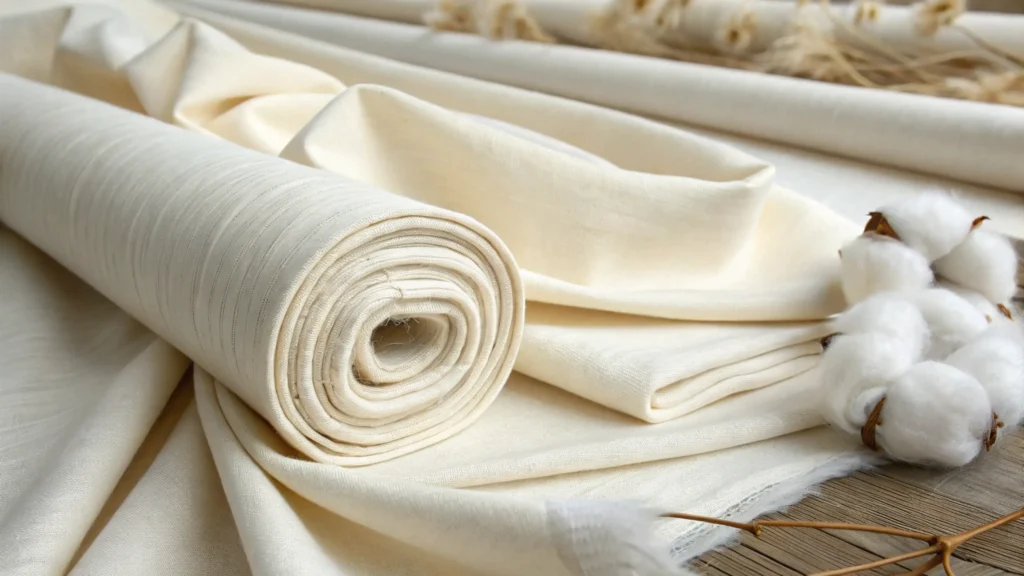
Fabric strength after processing means how strong and durable the fabric remains after it goes through cleaning, bleaching, and preparation steps.
During RFD (Ready for Dyeing) processing, the fabric is washed, treated, and softened. If these steps are not done carefully, the fabric can become weak, thin, or easy to tear. When the strength stays the same or improves, it means the processing was done correctly.
Fabric strength is very important for people who cut, stitch, dye, or print the material.
A reliable RFD fabric manufacturer uses the right chemicals, correct temperature, and controlled machine pressure to protect the fiber. They wash and bleach the fabric gently, check it at every stage, and make sure the cloth does not overstretch or get damaged. Good manufacturers also use high-grade raw material and run strength tests before sending the fabric to customers.
RFD fabric means “Ready For Dyeing” fabric.
It is a type of fabric that has been fully cleaned and prepared so that it can absorb colors evenly during dyeing or printing. The fabric comes without any dirt, oils, wax, or chemicals that normally remain on raw (greige) fabric. Because it is clean and neutral, printers and garment makers get better color results and smoother production.
RFD processing includes a series of careful cleaning steps:
Bleaching removes the natural color from the fabric, but if the chemicals are too strong or used for too long, the cotton or modal fibers start breaking down. This makes the fabric thin, weak, and easy to tear. Gentle and balanced bleaching is important to keep the fabric strong.
Heat is used in scouring, bleaching, and drying. But when the temperature is higher than needed, the fiber structure gets damaged. Cotton can shrink, lose elasticity, and even burn at micro-levels. Proper heat control is necessary to protect the fabric’s durability.
During RFD processing, the fabric moves through rollers and long machines. If the pressure or tension is too high, the cloth gets stretched, distorted, or weakened. It may look fine at first, but it becomes unstable during stitching or dyeing. Correct machine settings help maintain fabric strength and shape.
If the raw material itself is weak, damaged, or made with low-grade yarn, no amount of processing can fully restore strength. Weak greige fabric tears faster, absorbs chemicals unevenly, and loses strength quickly. Good RFD results always start with strong and clean greige fabric.
A professional RFD fabric manufacturer controls every step with care. They use mild chemicals, balanced bleaching formulas, correct machine tension, and accurate temperature settings. They also choose high-quality greige fabric and run strength tests at each stage. This ensures the final fabric stays strong, clean, and ready for smooth dyeing and printing without any quality issues.
RFD processing requires chemicals to clean and prepare the fabric, but using too much or the wrong type can damage the fibers. That’s why good manufacturers use mild and balanced chemicals that remove oil, dirt, and natural impurities without harming the cloth.
They also prefer eco-friendly formulations, which are gentle on cotton and modal fibers, reduce chemical stress, and help maintain long-term fabric strength.
Every process—scouring, bleaching, washing, drying—works properly only when the temperature and timing are correct. If the heat is too high or kept for too long, the fabric becomes weak or brittle.
Professional units use calibrated machines that maintain accurate heat settings. This protects the fiber structure and ensures consistent processing from start to finish.
As fabric moves through long processing lines, it goes through rollers and guides. If the tension is too tight, the cloth can stretch, thin out, or even tear.
Modern RFD plants use continuous processing machines with automatic tension control. These systems adjust pressure and speed so the fabric stays stable, strong, and safe during the entire run.
Strong fabric starts with strong raw material. High-quality greige cotton, modal, or rayon can handle chemical treatments better and maintain strength after processing.
Top manufacturers check yarn quality, weaving quality, moisture, and fabric density before starting the RFD process. This ensures the final fabric absorbs dye better and remains durable.
After each chemical treatment, the fabric must be washed thoroughly to remove leftover chemicals. Clean washing, rinsing, and neutralizing protect the fibers from damage.
Manufacturers use soft water and multiple wash cycles to ensure every bit of chemical is removed. This keeps the fabric strong, smooth, and ready for perfect dyeing or printing.
Soft-flow machines are used for gentle washing and scouring. The fabric moves freely inside the machine with a smooth water flow, which reduces friction and prevents damage. Because the movement is soft, the fibers stay strong even during heavy cleaning.
Compactors and sanforizing machines control shrinkage and improve the fabric’s feel. These machines compress and smooth the fabric in a controlled way, which protects strength and ensures uniform thickness. They help maintain shape, reduce fabric stress, and support better stitching results.
Modern bleaching systems use mild chemicals, controlled temperatures, and exact timing to clean the fabric. These systems avoid over-bleaching, which is a major cause of fiber damage.
With advanced technology, the whitening process becomes safe, even, and gentle—helping the fabric stay strong through all stages.
Digital monitoring tools keep track of temperature, pH level, chemical flow, machine tension, and water pressure in real time. This helps manufacturers maintain perfect control during RFD processing.
Because everything is monitored digitally, chances of mistakes or over-processing become very low. This protects fabric strength and ensures consistent quality in every batch.
When RFD processing is done correctly, the fabric stays strong even after going through dyeing or printing. The fibers hold their shape better, don’t tear easily, and handle stitching, washing, and wearing without problems. This means smoother production and better-quality garments.
A properly processed RFD fabric absorbs color evenly. This gives brighter shades, sharper prints, and consistent tones across all rolls. Good RFD preparation also prevents issues like patchy dyeing, uneven printing, or color fading.
Stronger and cleaner fabric reduces errors during stitching, dyeing, and cutting. There are fewer defects like holes, weak spots, color patches, or shrinkage problems. This means fewer rejects, less wastage, and more profit for garment units and exporters.
Good-quality RFD fabric runs smoothly on machines. It dyes faster, prints better, and requires fewer corrections. This helps manufacturers complete orders on time and avoid delays caused by fabric issues or rework.
When the RFD process is stable and well-controlled, every batch looks and behaves the same. GSM, shrinkage, absorbency, and color results stay uniform. This level of consistency is extremely important for big brands, exporters, and garment factories handling large orders.
Maintaining fabric strength during RFD processing is not just a technical step—it’s the foundation of smooth dyeing, perfect printing, and high-quality garment production. When chemicals, heat, and machine settings are handled with care, the fabric stays strong, stable, and ready for any design you want to create. This is why choosing a trusted RFD fabric manufacturer makes such a big difference in your final product quality.
If you want reliable RFD fabric with stable strength, clean processing, and consistent results, partner with Ethiraj Fashion.
We ensure every roll meets strong quality standards—so your production stays fast, smooth, and worry-free.